The people received what they asked for — a king "like the other nations." But God sets a condition that none of their neighbors has: this king will not be a priest. Among the surrounding peoples the king is the chief sacred person, a living god; here he rules only the people's flesh, while over the soul one God still reigns, and before Him each person remains free. Thus begins the tragedy of royal power.
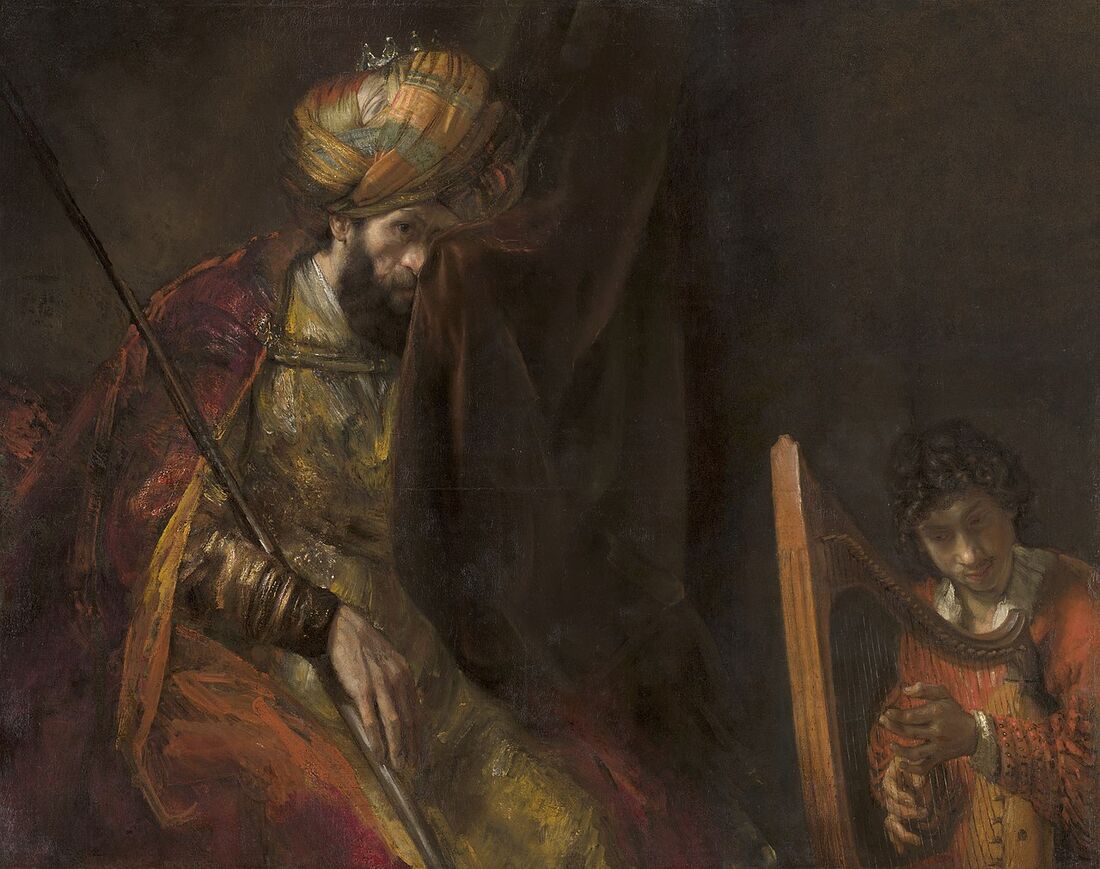
Saul is a king such as all the nations have: handsome, tall. But he does not know how to listen. At the decisive moment, unwilling to wait for Samuel, he offers with his own hands a sacrifice he had no right to offer — that is a priest's work, not a king's. Pride and distrust. And God withdraws from him.
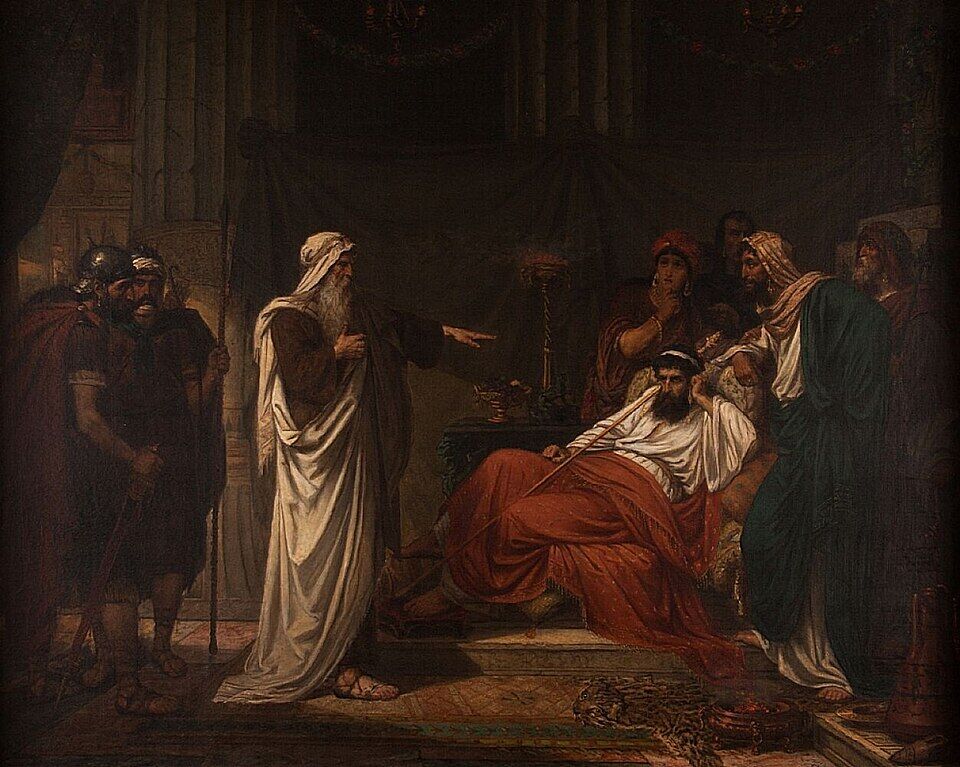
David is a man after God's own heart — poet, warrior, musician. But also an adulterer and a murderer: the affair of Bathsheba and Uriah is baseness itself, the blood of a faithful soldier sent to his death. And here, for the first time, a new force rises to its full height — the prophet. Nathan, unarmed, walks into the presence of the all-powerful king and, having told the parable of the poor man and his ewe lamb, points a finger at him: "you are the man." Yet David's repentance is a spiritual summit: in the fifty-first psalm, "you do not desire sacrifice... the sacrifice acceptable to God is a broken spirit; a broken and contrite heart, O God, you will not despise." And God forgives him. But the consequences of the sin remain — the rebellion of his son Absalom; by Nathan's word, the sword does not depart from the house of David, and blood pursues him to the end.
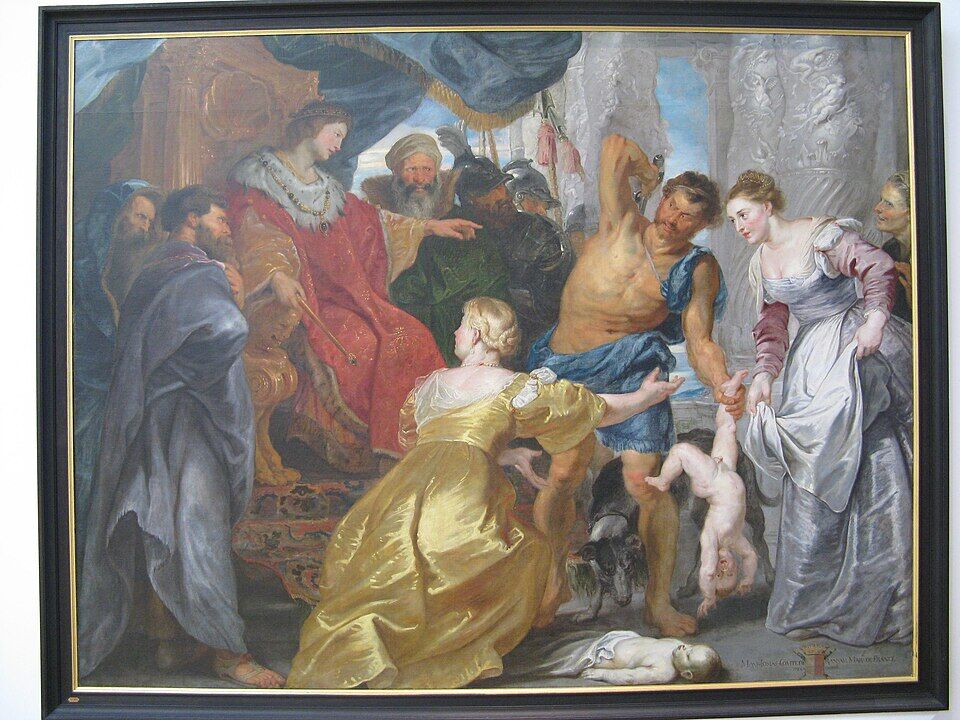
Solomon is a sage whose wisdom drowned in compromises. He builds the Temple, but he also raises shrines for his foreign wives. His heart, which had room for everything, is in the end shattered. The empire splits apart. The kings did not mend matters — they only showed that power concentrated in the hands of fallen man leads to a new form of tyranny and apostasy.
And yet through this tragedy another note begins to sound: amid the venal kings the voice of the prophets grows ever louder, and through them comes the promise of a strange King who will not use power at all — "a bruised reed he will not break, and a smoldering wick he will not quench," he will not raise his voice in the streets, but will only judge in truth. But that is the next station.
The spine of it all — the arc. The same law through the four voices: philosophy · literature · painting · music.
all 21 stations · Russian version