The History of Music
Music is the drama's voice: where words fail, sound supplies the weeping, the terror, the hope, the resurrection. From unnotated temple psalms to the Requiems and the 'Resurrection' Symphony, the history of music keeps enacting a single law: idol, collapse, captivity, refounding.
Every age reads in four beats: the living is made an idol → the idol collapses → captivity → return (a remelting, not a restoration). Below — how music lived through this law, age after age.
The First Kingdoms: Sound at the Altar
~3000–500 BC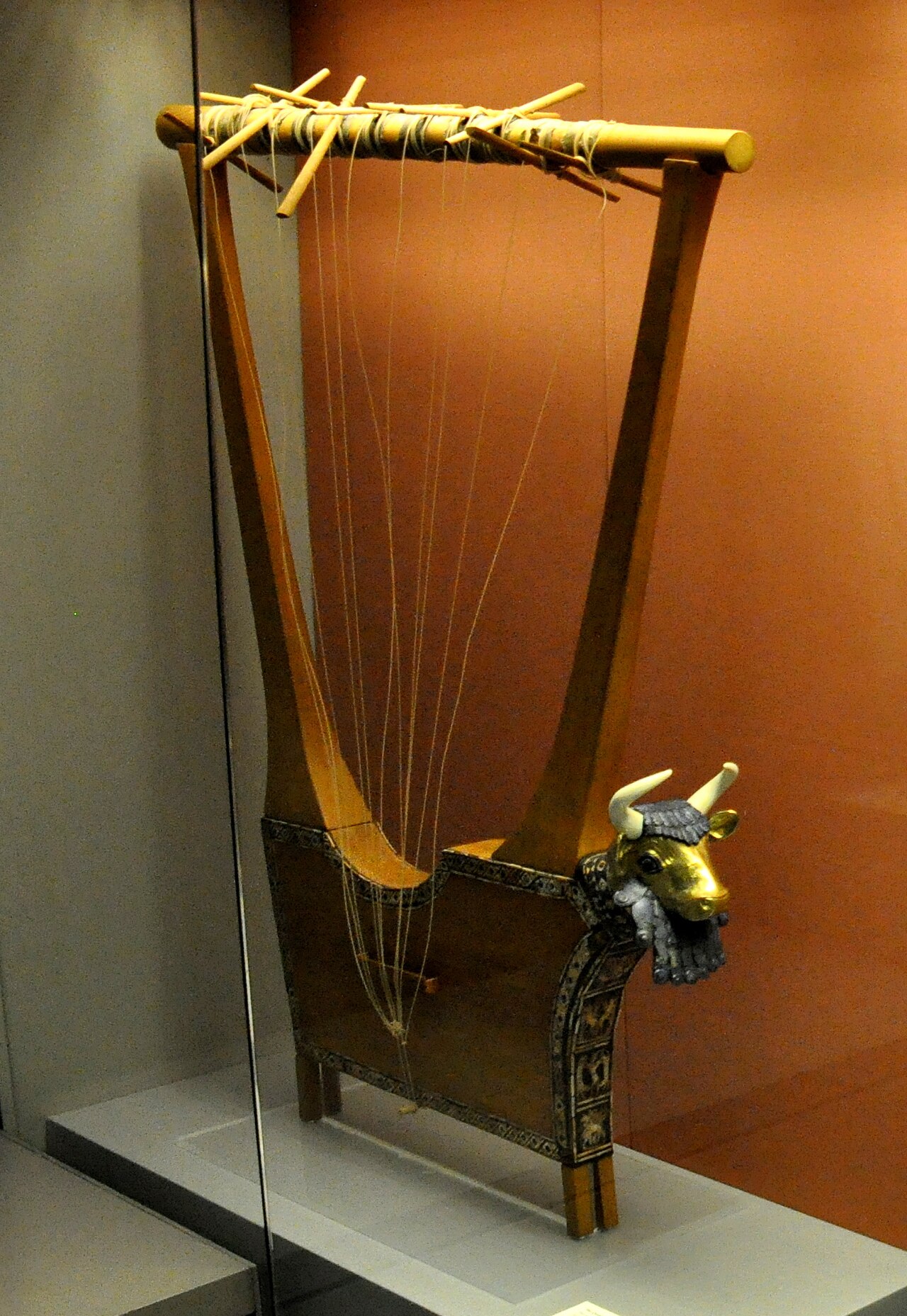
Not a note of this age's music can be heard today — notation scarcely existed, and what survives are images of instruments, texts, and testimony at second hand. We know that music was inseparable from temple and throne: the harps and lyres of Ur, the trumpets and cymbals of the Temple in Jerusalem, the Levite singers. The Psalms of David carry performance rubrics ('on stringed instruments,' 'to the choirmaster'), but the melodies themselves are lost. The Hurrian hymn from Ugarit (c. 14th century BC) is the oldest notated melody we know, though how to read it remains disputed. The honest thing to say is this: here music sounded in the idol's presence — and its voice never reached us.
Antiquity: Number as the Idol of Harmony
~500 BC – AD 200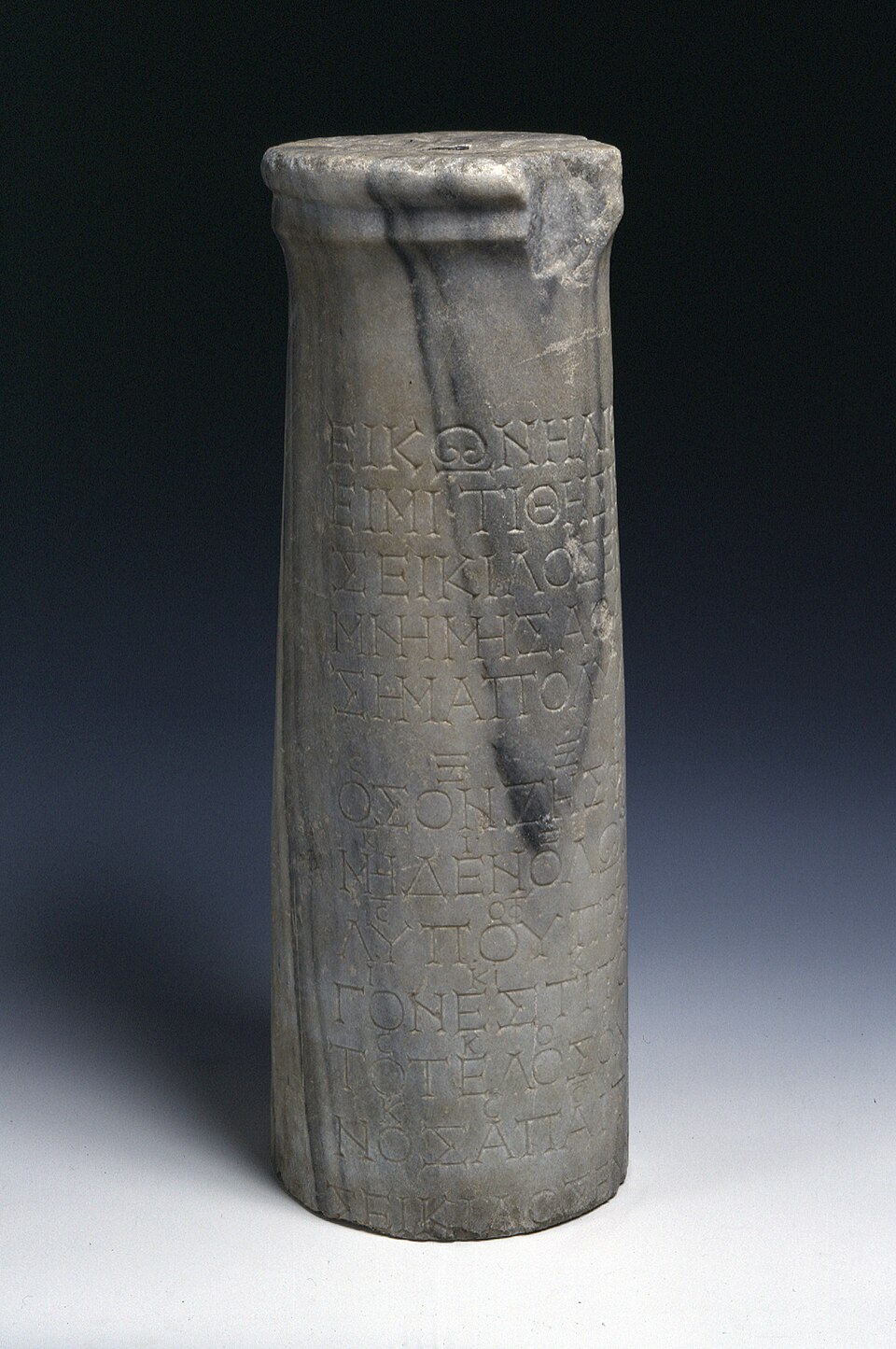
The Greeks were the first to think of music as a science of number: Pythagoras is credited with discovering the numerical ratios of the consonances (octave, fifth, fourth), and music took its place beside arithmetic and geometry. A theory of the modes arose, and the doctrine of ethos — music's power over the soul. Yet of the music itself almost nothing can be heard: a mere handful of fragments survive, the fullest of them the Seikilos epitaph (1st–2nd century AD), a brief drinking song set down in complete notation. The Delphic Hymns to Apollo (c. 128 BC) survive only in part, carved in stone. The idol here is the conviction that the world is held together by a perfect harmony of number.
The Collapse of Antiquity and the Christian Refounding
~200–600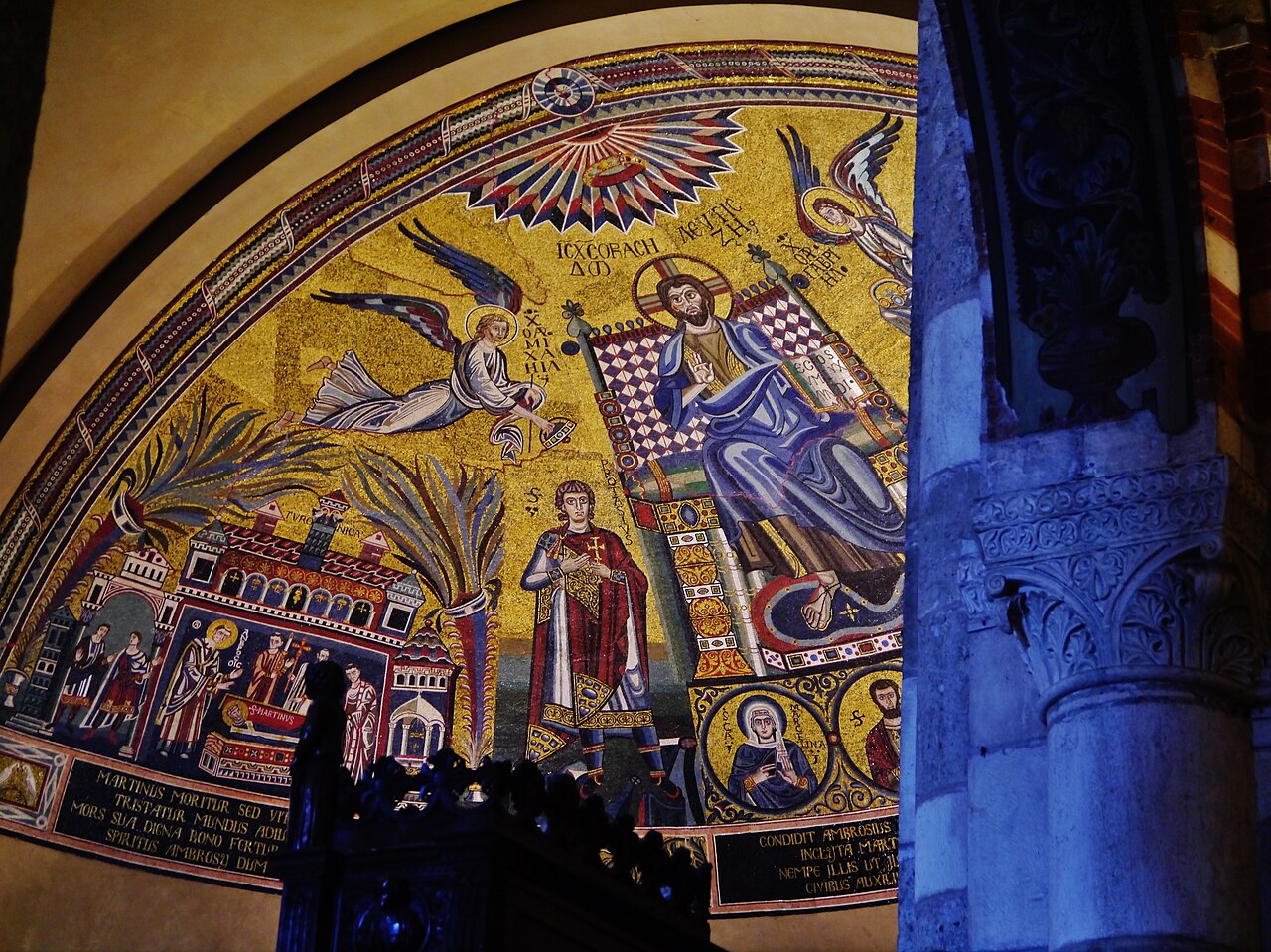
When the ancient order fell, music lost its old footing and was recast within the Church: liturgical chant was born — not for pleasure, but for prayer. No scores survive from this age; the singing was oral, and notation would come only later. The testimonies speak of antiphonal singing, choirs answering one another, which tradition ties to St Ambrose of Milan. In the Confessions, Augustine recalls how the singing at Milan moved him to tears — an early witness to the power of the Church's voice. This is captivity, and the refounding has begun: music leaves the theatre and the circus for the sanctuary.
The Medieval Cathedral: One Voice and the Birth of Polyphony
~600–1350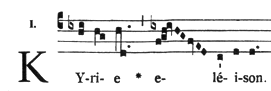
Gregorian chant takes shape — the monophonic liturgical song that became the musical canon of the West; tradition ties its making to Pope Gregory I, though it was written down only later. Between the 9th and 11th centuries notation appears, and for the first time music can be committed to the page. At Notre-Dame, Léonin and Pérotin fashion the earliest polyphony, the organum, and the single voice begins to branch. Hildegard of Bingen composes her visionary monodies; in the 14th century Guillaume de Machaut writes the 'Messe de Nostre Dame', the first complete setting of the Mass by a single composer. The cathedral's voice climbs toward heaven and learns to sound in layers.
The Renaissance and the Scientific Revolution: Pure Polyphony and the Birth of Opera
~1350–1700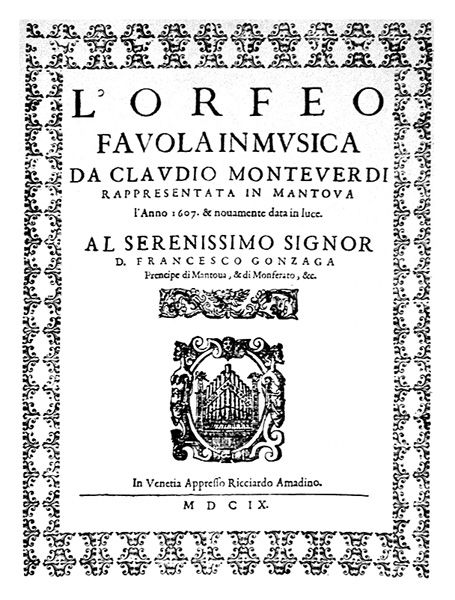
Polyphony reaches the peak of its perfection: Palestrina writes Masses of crystalline transparency (the 'Missa Papae Marcelli' among them), while Josquin des Prez and Orlando di Lasso bring the weaving of voices to an ideal. Yet inside this very perfection a turn toward the human is ripening: around 1600, in Florence, opera is born, and with 'L'Orfeo' (1607) Monteverdi makes music the bearer of living drama and passion. His 'Lamento d'Arianna' and the 'Vespers of the Blessed Virgin' (1610) join the old piety to a new expressiveness. So begins the Baroque — the age in which sound learns to weep and exult as a human being does.
The Enlightenment and the Revolutions: the Passion, the Messiah, and the Requiem
~1700–1815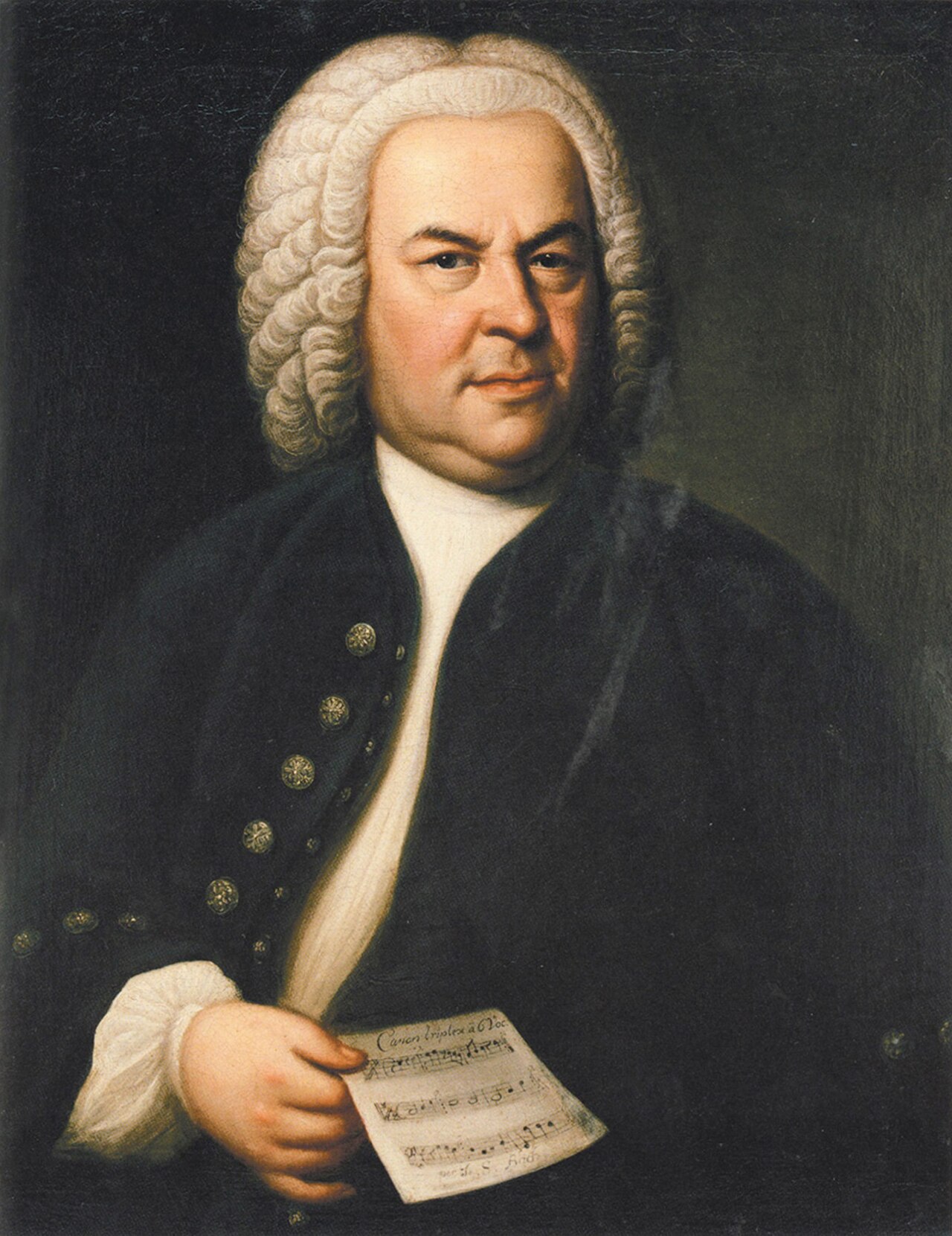
In the Baroque and the Classical age, music acquires its highest power: to carry the drama of salvation. Bach writes the 'St Matthew Passion' (1727) — an immense lament over Golgotha — and the Mass in B minor; Handel's 'Messiah' (1742) leads from prophecy through death to the 'Hallelujah' of the Resurrection. In 'The Creation' (1798) Haydn sings the light that is born out of chaos. Mozart dies over the unfinished 'Requiem' (1791), while Beethoven, with the Ninth Symphony (1824) and the 'Missa solemnis', carries music toward the brotherhood of all mankind. It is the age of revolutions — and music holds both the collapse and the hope.
The 19th Century: Romanticism, Requiems, and 'Resurrection'
~1815–1914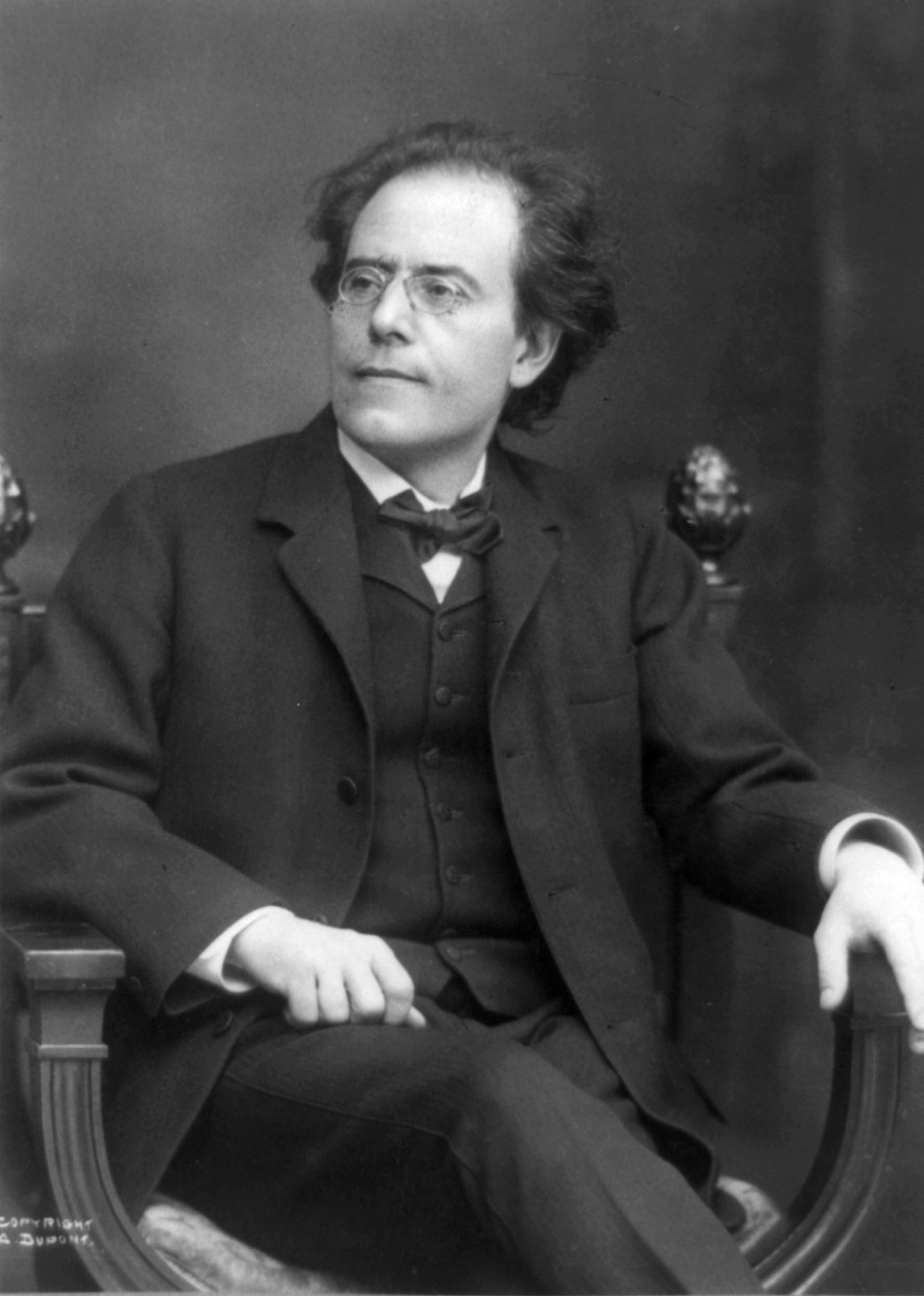
Romanticism sets up its idols — the artist, passion, the nation: Wagner builds a myth in 'The Ring of the Nibelung', and the symphony swells to cosmic scale. Yet this age of death also brings forth the great Masses for the dead: Verdi's 'Requiem' (1874), with its annihilating 'Dies irae'; Brahms's 'German Requiem' (1868), set to words of comfort for the living. The culmination is Mahler: his Second Symphony, 'Resurrection' (1894), passes through death, judgment, and chaos to the choral cry 'I shall rise again!'. Here the law of history sounds out plainly: collapse, and its refounding into hope.
The 20th Century: the Rupture, the Horror of War, and a Quiet Return
~1914–1991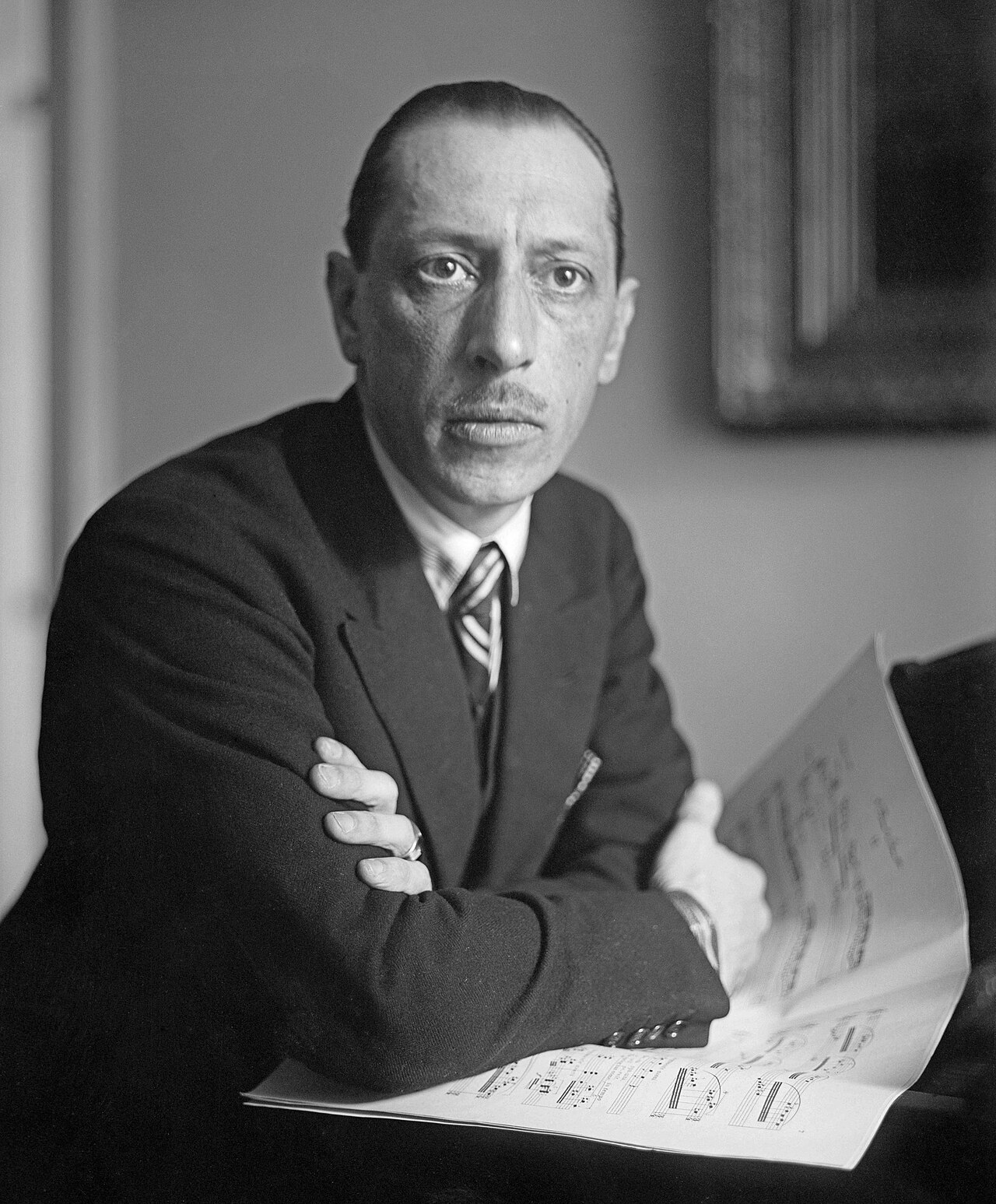
The old harmony gives way beneath music's feet: Stravinsky's 'The Rite of Spring' (1913) detonates rhythm; Schoenberg passes into atonality and dodecaphony, severing the tie to key and mode. The age of totalitarianism and war cries out in sound: Shostakovich's Seventh, the 'Leningrad' Symphony (1942), bears witness to the siege; Britten's 'War Requiem' (1962) weaves the Mass for the dead together with the verses of the fallen poet Owen. And out of the captivity a quiet light is born: Arvo Pärt forges his prayerful 'tintinnabuli' style ('Cantus in Memory of Britten', 1977; 'Tabula rasa', 1977). Horror and prayer — the century's two voices.
- ♪ recording under copyright — available on streaming services
- ♪ recording under copyright — available on streaming services
- ♪ recording under copyright — available on streaming services
After the Ideologies: the Return of Silence and Faith
1991–
After the collapse of the great ideologies, music seeks not a new idol but a way back to the source — to silence, prayer, simplicity. The 'sacred minimalism' of Pärt, Górecki, and Tavener carries ever farther in the world: Górecki's Third Symphony, of 'Sorrowful Songs', written in 1976, becomes a worldwide phenomenon only in the 1990s. John Tavener writes the Orthodox-inspired 'Song for Athene' (1993) and 'The Protecting Veil'. Against the endless torrent of pop and electronic music, this quiet voice of faith is a sign of the refounding: weariness of noise turns into a longing for the eternal.
- ♪ recording under copyright — available on streaming services
- ♪ recording under copyright — available on streaming services
- ♪ recording under copyright — available on streaming services
The spine of it all — the arc.