What would happen if there was no government?
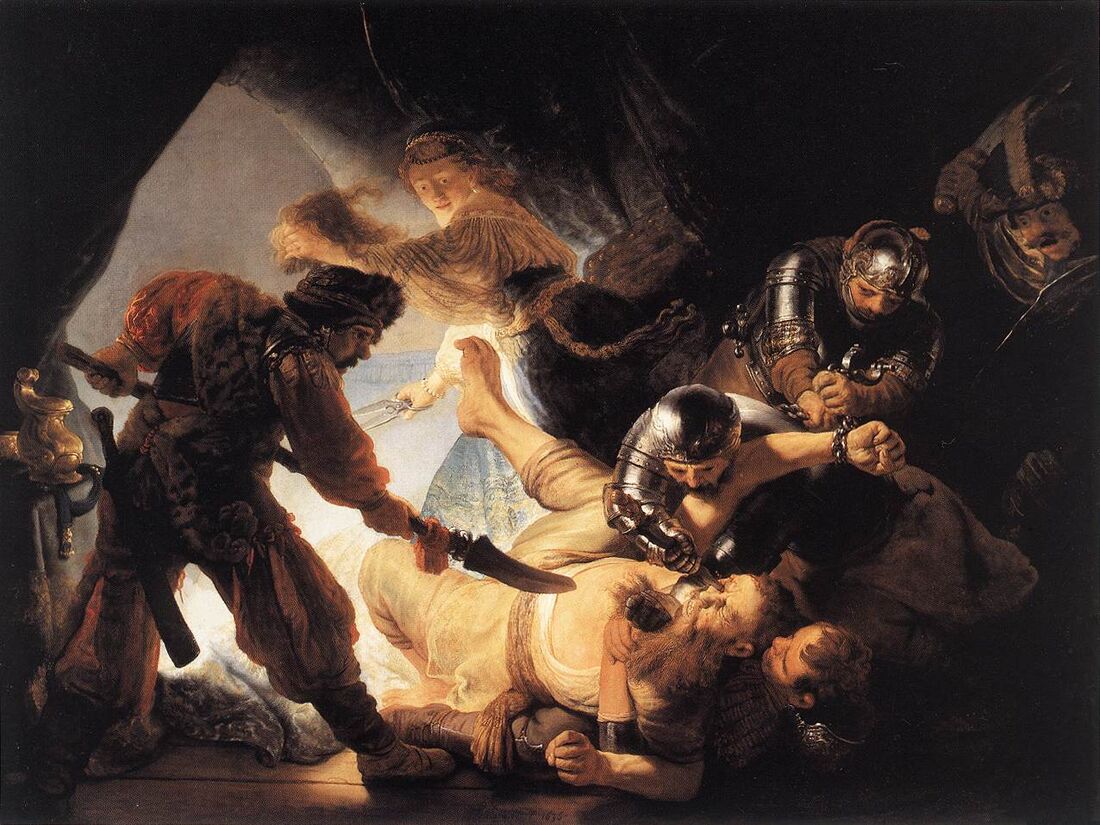
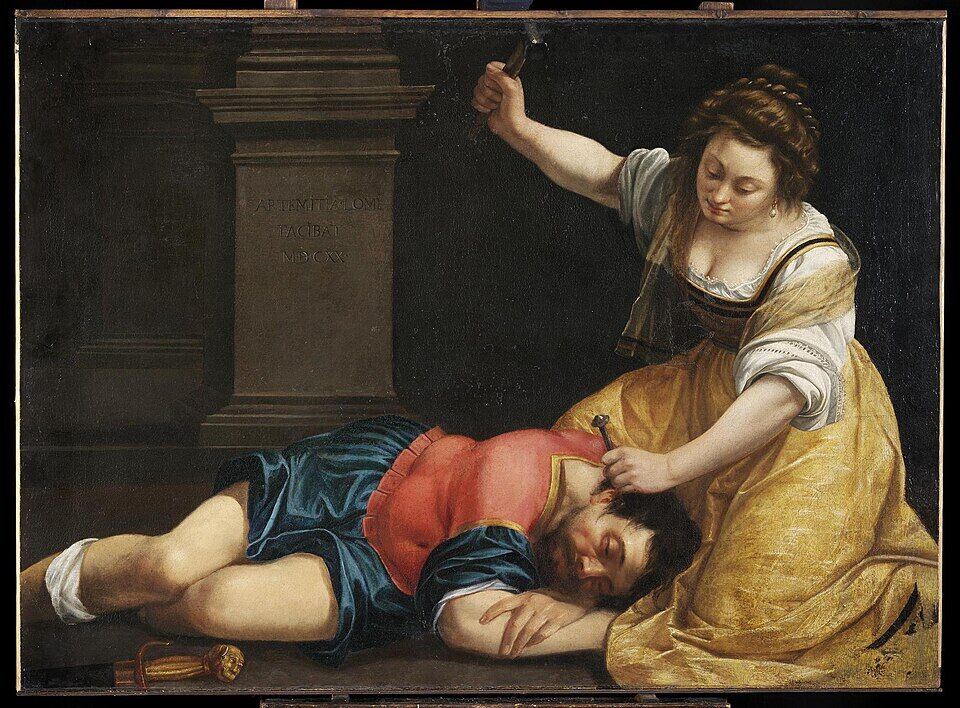
After Sinai, God attempts something no other people has known or ever will: life with no power set over it. For two hundred years Israel has no king, no army, no coercion — only judges, whom God raises up in the hour of need: ordinary people without a throne, whose only strength is what God has given them.
But the cycle does not fall silent. The sons of the judges are wicked men, working iniquity at the very tabernacle; the people lose their way altogether. Then comes the monstrous affair of the concubine at Gibeah — she is dishonored and killed — civil war, anarchy. "In those days there was no king in Israel; every man did that which was right in his own eyes." And this led not to freedom but to bloody chaos. God's direct rule through the judges showed as much: even when God is near and manifestly at work, the free human heart forever turns aside to idols and to its own will.
In despair the people come to the last judge, Samuel: "Make us a king to judge us like all the nations." This is the culmination of apostasy: they refuse the calling to be a people whose King is God Himself; they want to shift the responsibility — to cast off the heaviest burden of all, freedom. Samuel's heart is torn, but God says to him: "They have not rejected thee, but they have rejected Me."
And — here is the whole of God's respect for man — He gives them a king, but at what cost: Samuel's "constitution" is a list of the king's rights — he will take your sons for the army, your daughters for servants, your fields and flocks, and you will be his slaves. But the people are unyielding: "Nay, but let there be a king over us." So ends the only attempt in history at freedom without rulers — not because it is impossible, but because man could not bear it. Of this — the next station.
The spine of it all — the arc. The same law through the four voices: philosophy · literature · painting · music.
all 21 stations · Russian version