Why do good people suffer and bad people prosper?
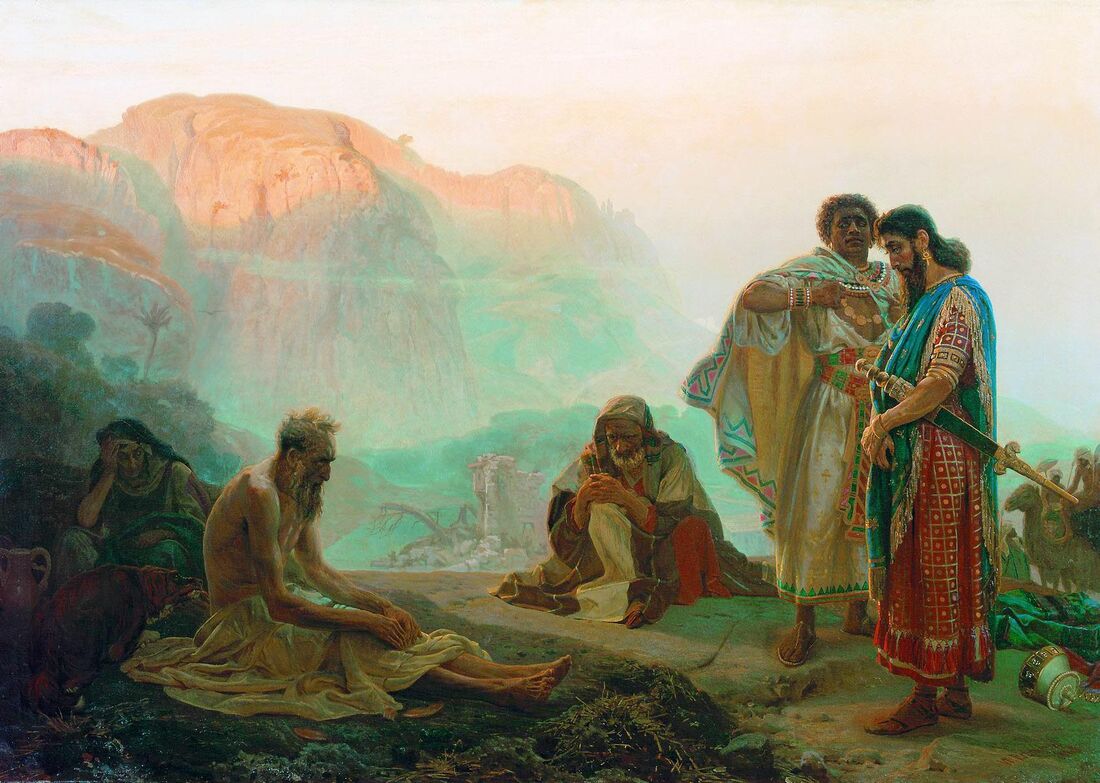
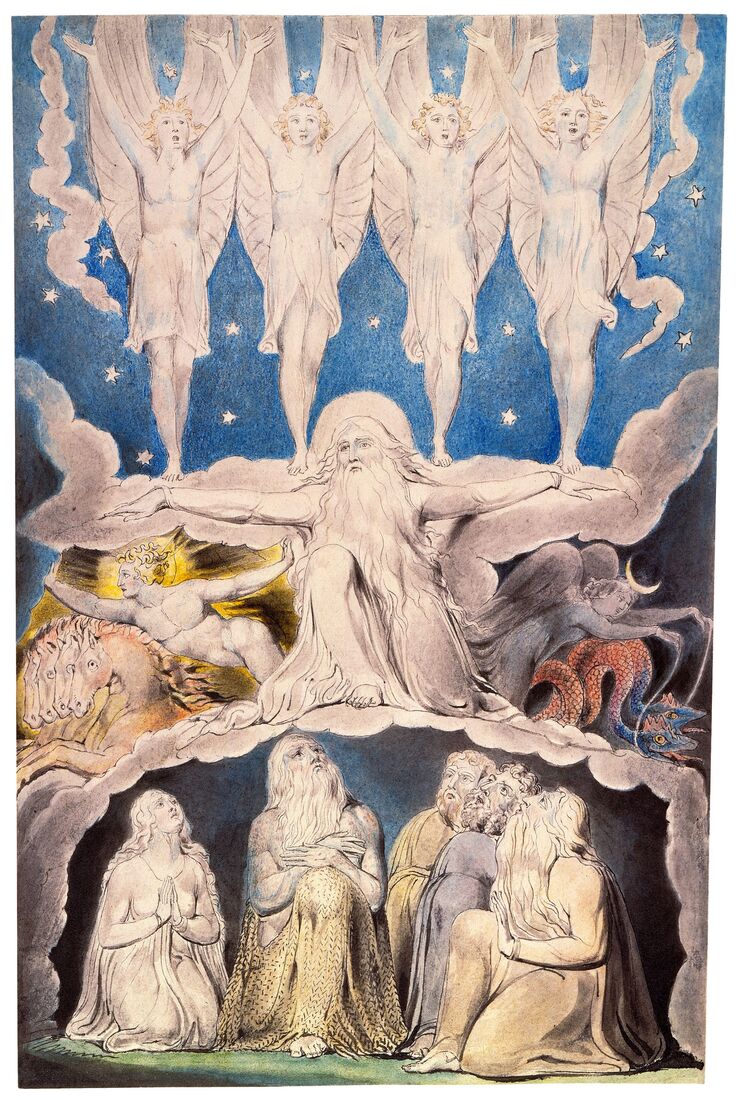
Together with the prophets is born a thought turned inward — the personal search for meaning. And its very first question is the most terrible. The Book of Job is a terrible story: a righteous man, who has in no way deserved calamity, in a single day loses his children, his wealth, his health.
Friends come to him — theologians, all of them — and try to cram his suffering into the tidy scheme on which the whole of the old faith rested: "God is punishing you for your sins — repent, and He will restore you." But Job knows this is not so: he is pure — therefore the scheme lies. And here is what no one before him had done: he does not curse God, nor does he submit in silence — he demands a trial of God, cries out to His face, summons Him to a conversation. In this lies Job's holiness — he contends with God because he believes in Him in earnest; while his pious friends, defending the "correct" doctrine, in fact defend a scheme and not the living God.
And God appears — but out of the storm, and He gives no answer. He does not explain why; He asks in His turn: "Where were you when I laid the foundations of the earth?" He appears not as a solution but as a mystery — and the meeting itself becomes the answer that no explanation can replace. Job submits not before violence but before boundless majesty: "I had heard of You by the hearing of the ear; but now my eye sees You." The point is not why I suffer, but with whom.
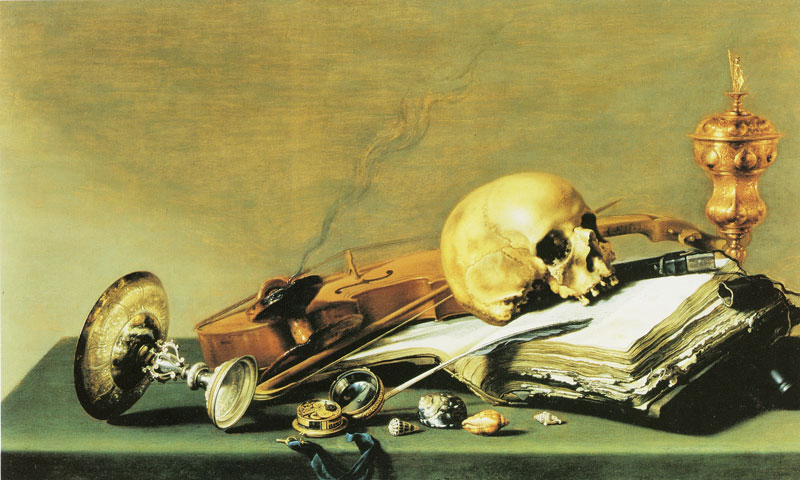
And alongside sounds another voice — Ecclesiastes, the bitter, seasoned sermon of a man who has tasted everything: "Vanity of vanities, all is vanity." Wisdom, wealth, labor, pleasure — all passes, all is meaningless, if one looks "under the sun," from within earthly, temporal life alone. This is the cry of a soul that has tried everything and found no foothold in the world itself — and by that very fact a preparation for the revelation of eternity: if there is no meaning under the sun, then it lies above it.
These two books — tangles of doubt and torment — say what religion rarely admits: faith is not a calm certainty but, often, a struggle with God and with oneself. Of this — the next station.
The spine of it all — the arc. The same law through the four voices: philosophy · literature · painting · music.
all 21 stations · Russian version