How to keep faith when everything is falling apart
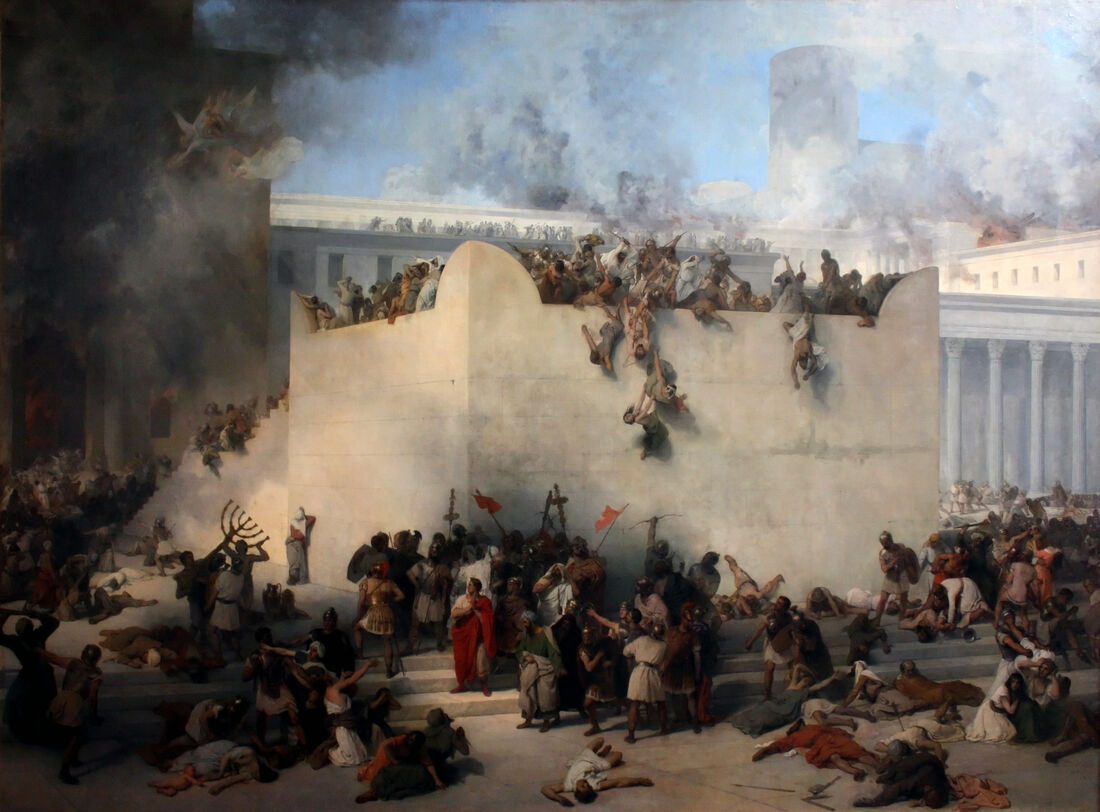
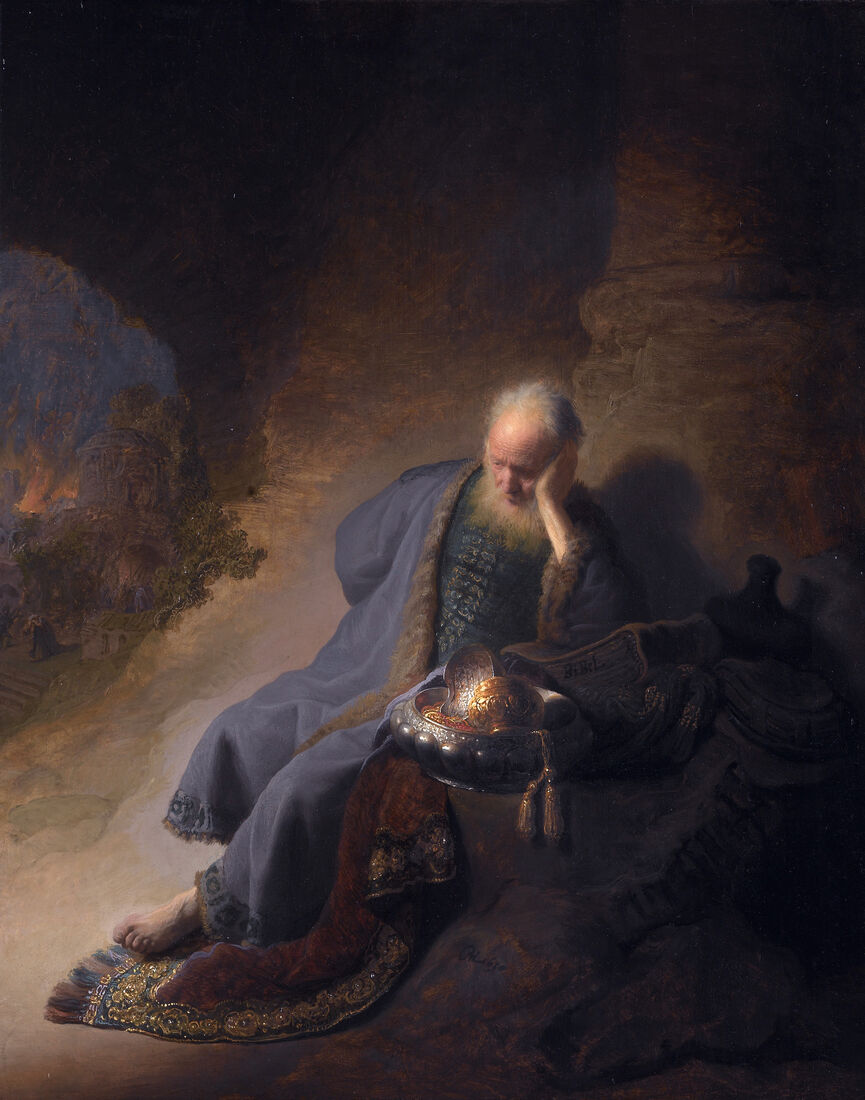
The collapse comes as it must — like a sentence long since pronounced but never heard. First Assyria swallows the Northern Kingdom, then Babylon burns Jerusalem. The Temple of Solomon, the visible sign of the covenant, is turned to ash. It seems all is over, the design has failed: no king, no city, no Temple, no sacrifices — and so, by every former reckoning, no God, for in the ancient world a god dwelt in his temple and fell together with it. The descendants of those who came out of Ur of the Chaldees return in chains to the homeland of their forefathers.
And here, in this hell of despair in a foreign land, something happens that no one expected. Stripped of temple, sacrifices, homeland — of everything on which faith had rested — the captives discover a God who cannot be bound to walls: He did not burn with the Temple; He is here, in Babylon, with them. And if sacrifices cannot be offered, what remains is to listen and to remember. The synagogue is born — a house of assembly where no bullocks are slaughtered but the Word is read and studied; a faith is born that is personal rather than ritual, that needs no building and that no captivity can take away. The collapse that was meant to kill faith purified it.
And in that same Babylonian furnace the prophets begin to speak no longer only of judgment, but of a mysterious way of salvation. Jeremiah writes astonishing words to the tormented captives: "seek the peace of the city whither I have caused you to be carried away, for in the peace thereof shall ye have peace" — God turns out to be not only the God of Israel but the God of history, acting even through Babylon.
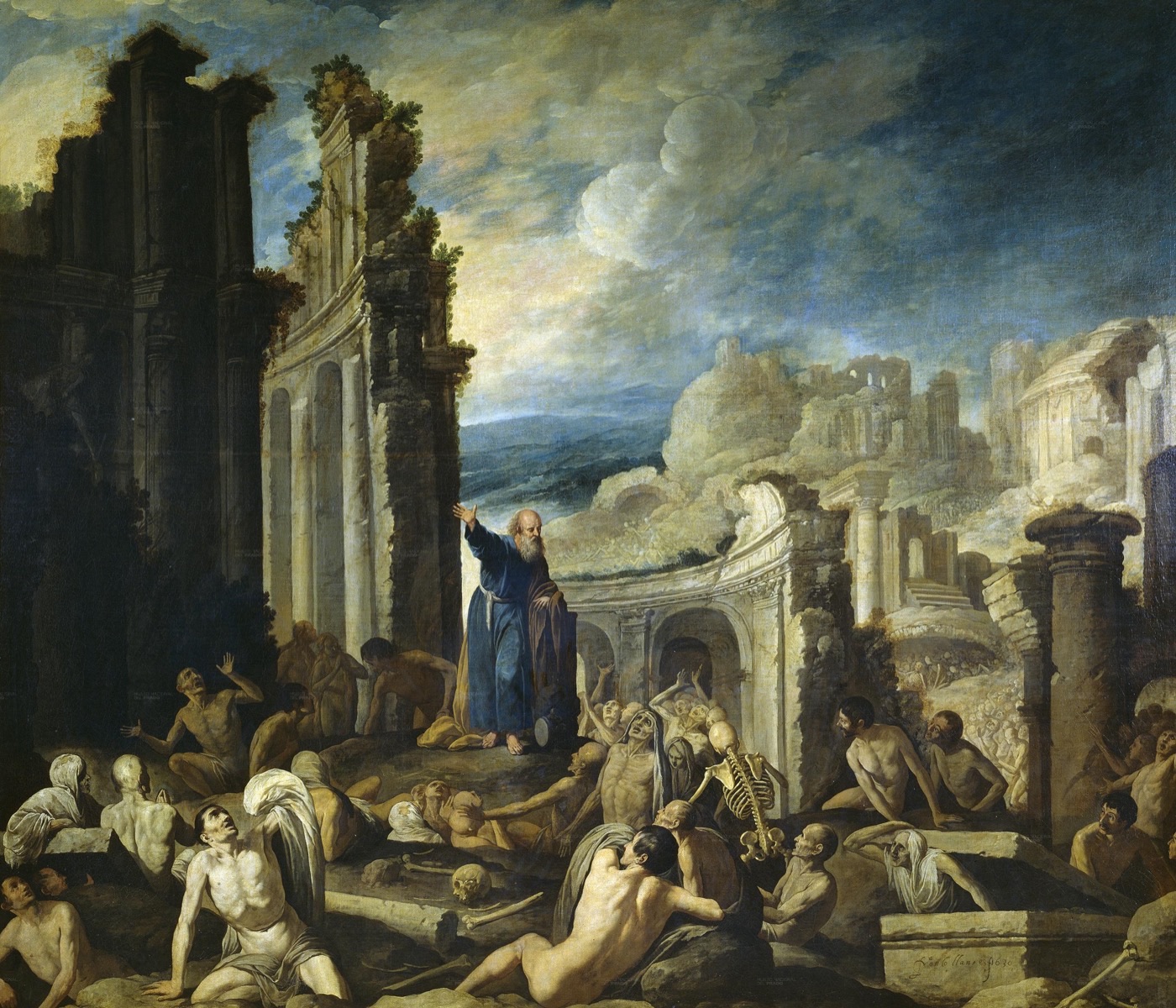
And to Ezekiel is revealed a field strewn with dead bones: "son of man, can these bones live?" — "O Lord God, Thou knowest." And the bones begin to come together, to take on flesh, the breath of life. This is a promise: God can raise up even a dead people — and so the last word does not belong to death. Of this — the next station.
The spine of it all — the arc. The same law through the four voices: philosophy · literature · painting · music.
all 21 stations · Russian version