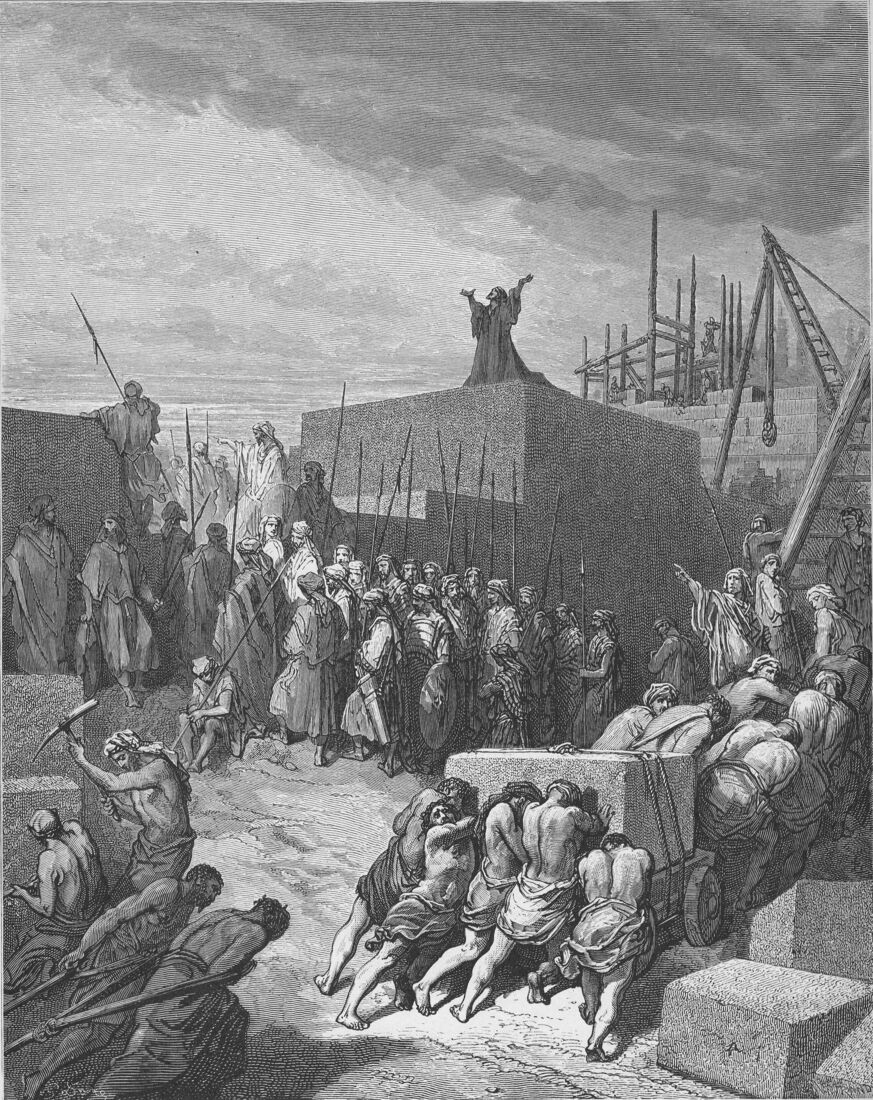
The Persians conquer Babylon and permit the Jews to return — but only a small part returns, a remnant, those for whom the faith of the fathers proved dearer than a settled life in a foreign land. They build the Second Temple, and at first a timid hope stirs among the people: the prophets Haggai and Zechariah spur the building on. But the rebuilt temple no longer shines with its former glory; the old men who had seen the first weep as they look upon it. Something essential had been lost.
And then comes a trial unknown before — neither captivity nor conflagration, but silence. Malachi, the last prophet whose voice enters the canon, denounces not idolatry any longer, but something perhaps more terrible — spiritual apathy, cynical formalism: "you say, 'what a weariness it is to serve God'... you bring to the altar what is unclean, what is diseased. Can such things please the Lord?" And on that note the voice falls silent.
Then come four hundred years of silence: God ceases to speak. This is the heaviest of all the questions of faith — not "why do You torment me?" but silence in reply; not catastrophe, but an emptiness in which it is so easy to conclude that there is no longer anyone listening.
The people do not submit to Rome; they read the scriptures; they await the Messiah — but they picture Him as an obedient new David who will take up the sword and drive out the Romans; and so, when the meek sufferer promised by Isaiah comes, many simply fail to recognize Him. Religion freezes, splinters into parties — Pharisees, Sadducees, Essenes; the heart of the people, having passed through everything, is once more crusted over.
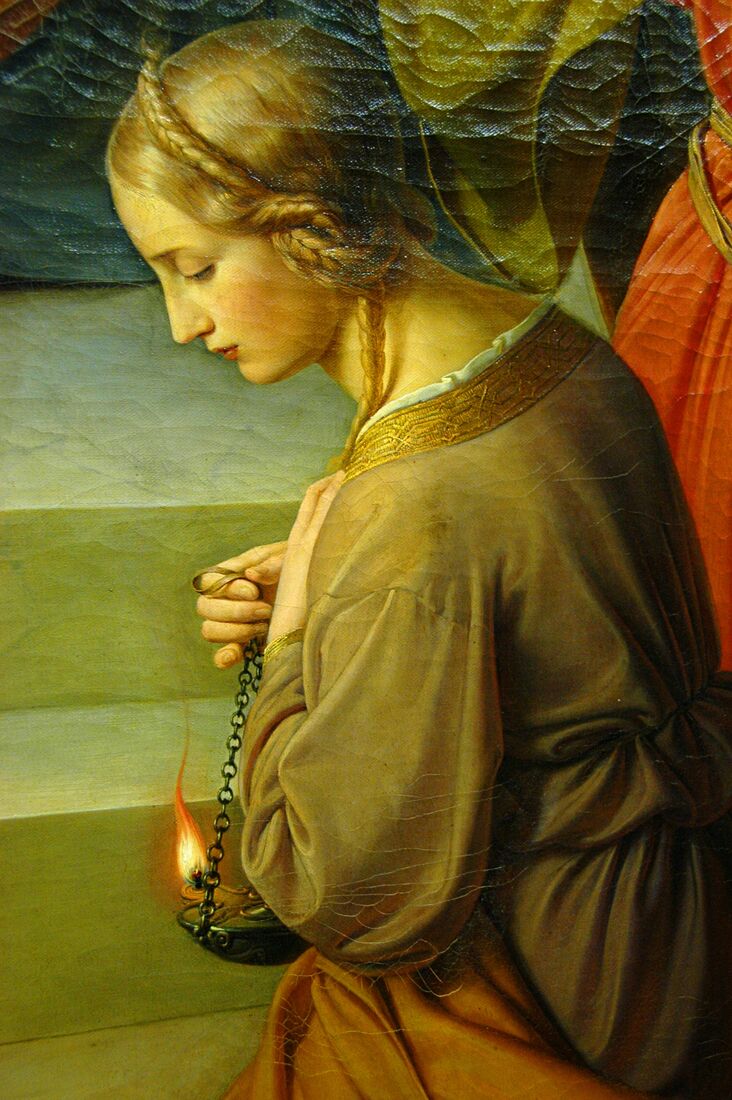
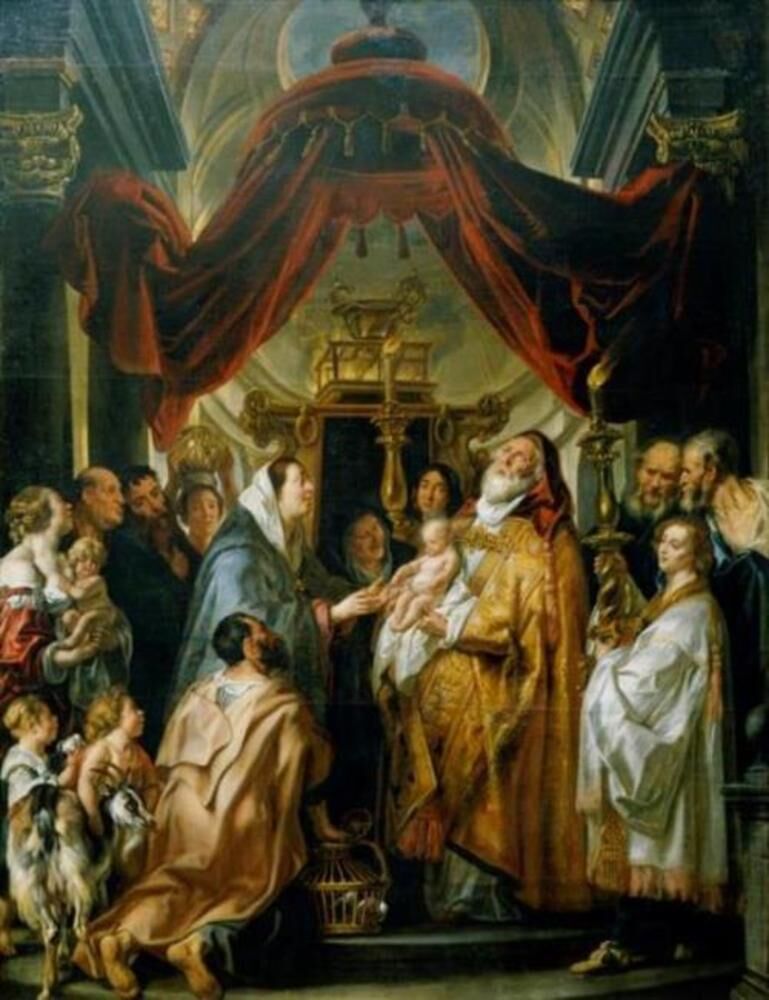
And yet in this silence there remain those who go on truly waiting: the old man Simeon and the prophetess Anna, who never leave the temple — those whose heart is ready to break but not ready to resign itself. The silence still holds. But it is precisely at its most muffled point, when almost no one is waiting any longer, that the first cry of an Infant will ring out. But that is the next station.
The spine of it all — the arc. The same law through the four voices: philosophy · literature · painting · music.
all 21 stations · Russian version