What does it mean to be made in the image of God?
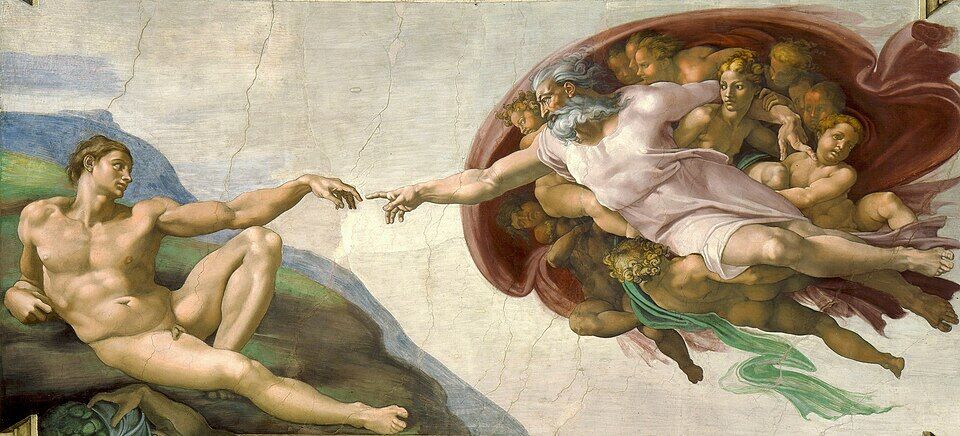
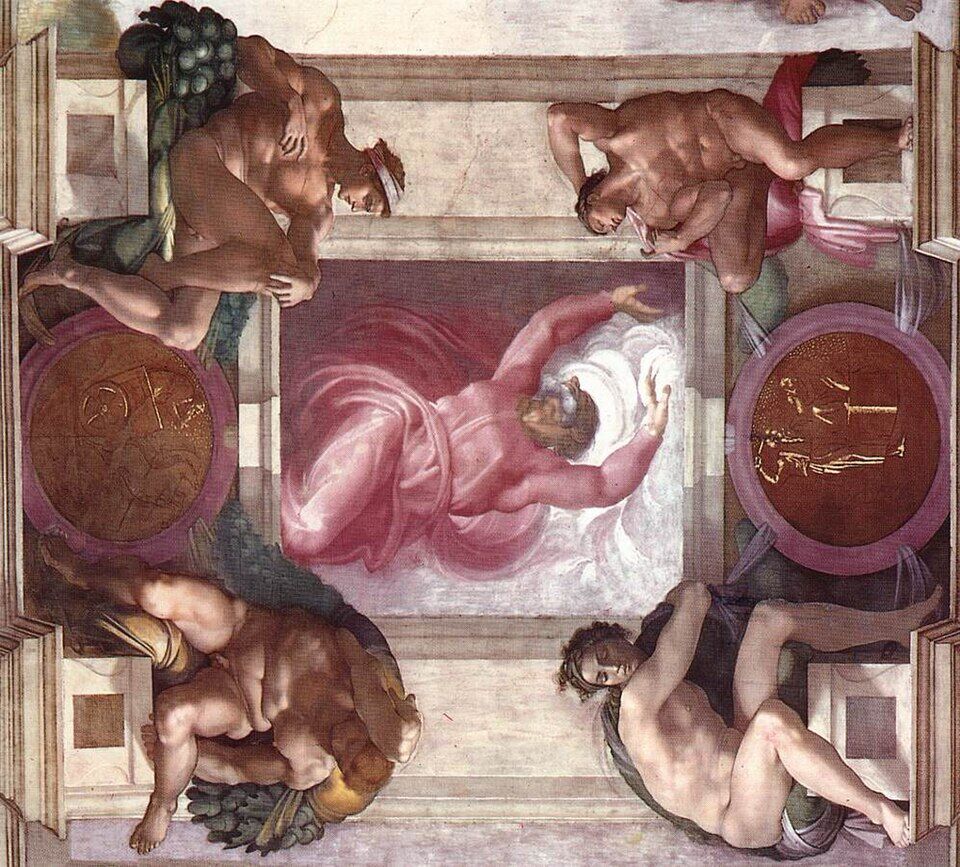
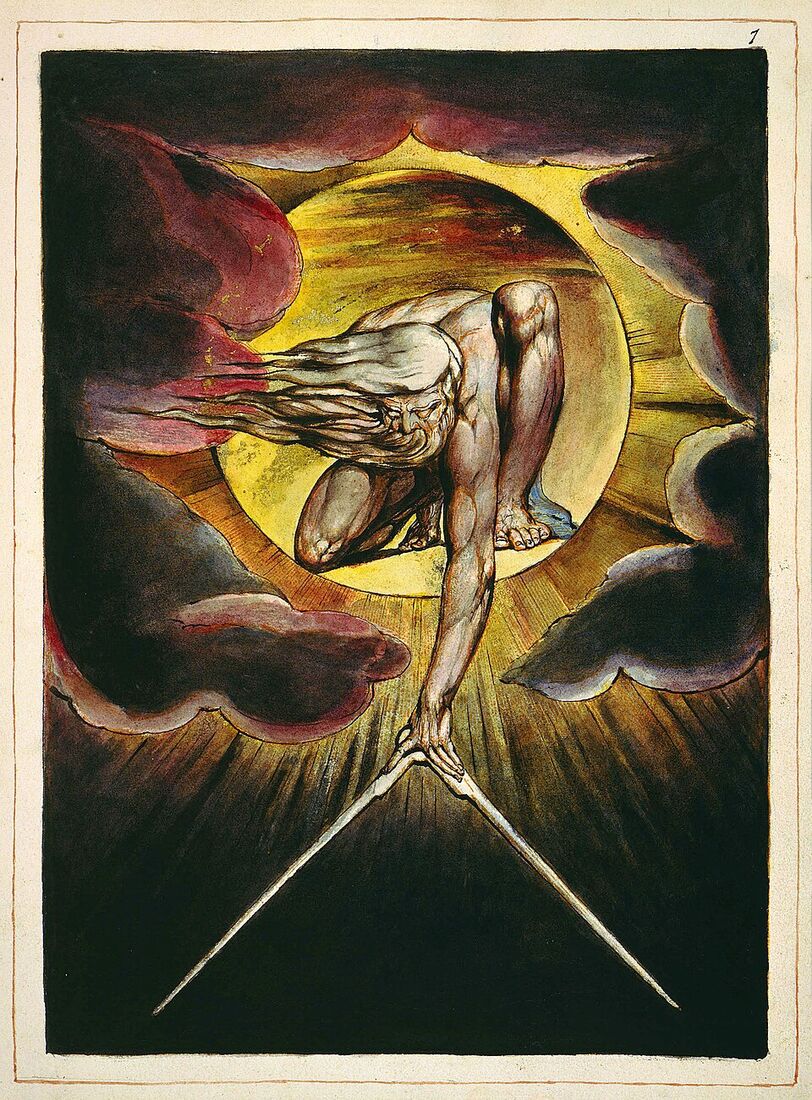
Imagine silence — impenetrable, dense, velvet darkness, in which there is as yet no "before" and no "after," no "here" and no "there." There is only God, beyond time and space, infinite and eternal — and nothing else. And into this silence come the words "let there be." God creates the world — but how? Not as a craftsman turns a table: the craftsman has wood, but from what does one create when nothing yet exists? And not as one begets a child in one's own likeness — otherwise the world would be a second god, whereas God is one. The Bible names a third, unprecedented way: creation out of nothing. The world is not a part of God nor His double, but the expression of His love, to which freedom is given. And on each day of creation it is said, "and this is good" — the perfect Craftsman makes nothing ugly, and the world comes forth from His hands as a gift: beautiful, and under no obligation to exist.
Last of all man is created — and he is created twice. His body is taken from the dust, as with every beast: here he stands no higher than the frog or the blade of grass. But God bends down to the vessel of clay and breathes into it His own breath of life. What is this breath? It is freedom. The frog cannot long to fly, the cow does not choose whether to be a cow — but man is free to say "yes" to God and free to say "no," free even from the Creator Himself. This is what "in the image and likeness" means: not the face nor the reason in themselves, but that pre-worldly freedom of which Berdyaev will write — "in the very depth of my destiny." This is not a command but an invitation to love: for only he loves who is free not to love.
And from this freedom is born a second thing — creativity. God the Creator makes man a small creator: He brings him into a world made ready and bids him have dominion, to name the beasts — and to name a thing is to take it into one's own hands. The whole beautiful world God hands over to man, as a father hands it to his son. Man is not God by nature — he is God by grace, by gift: the divine in him is not his own but breathed in.
And here, at the very summit, hides the risk. The same freedom that makes love under compulsion impossible is capable of saying "no." The breath that made man the image of God also makes the catastrophe possible — and it will come not as a stone breaking loose from a mountain, but as a choice: man will turn his will toward evil. Of this — the next station.
The spine of it all — the arc. The same law through the four voices: philosophy · literature · painting · music.
all 21 stations · Russian version