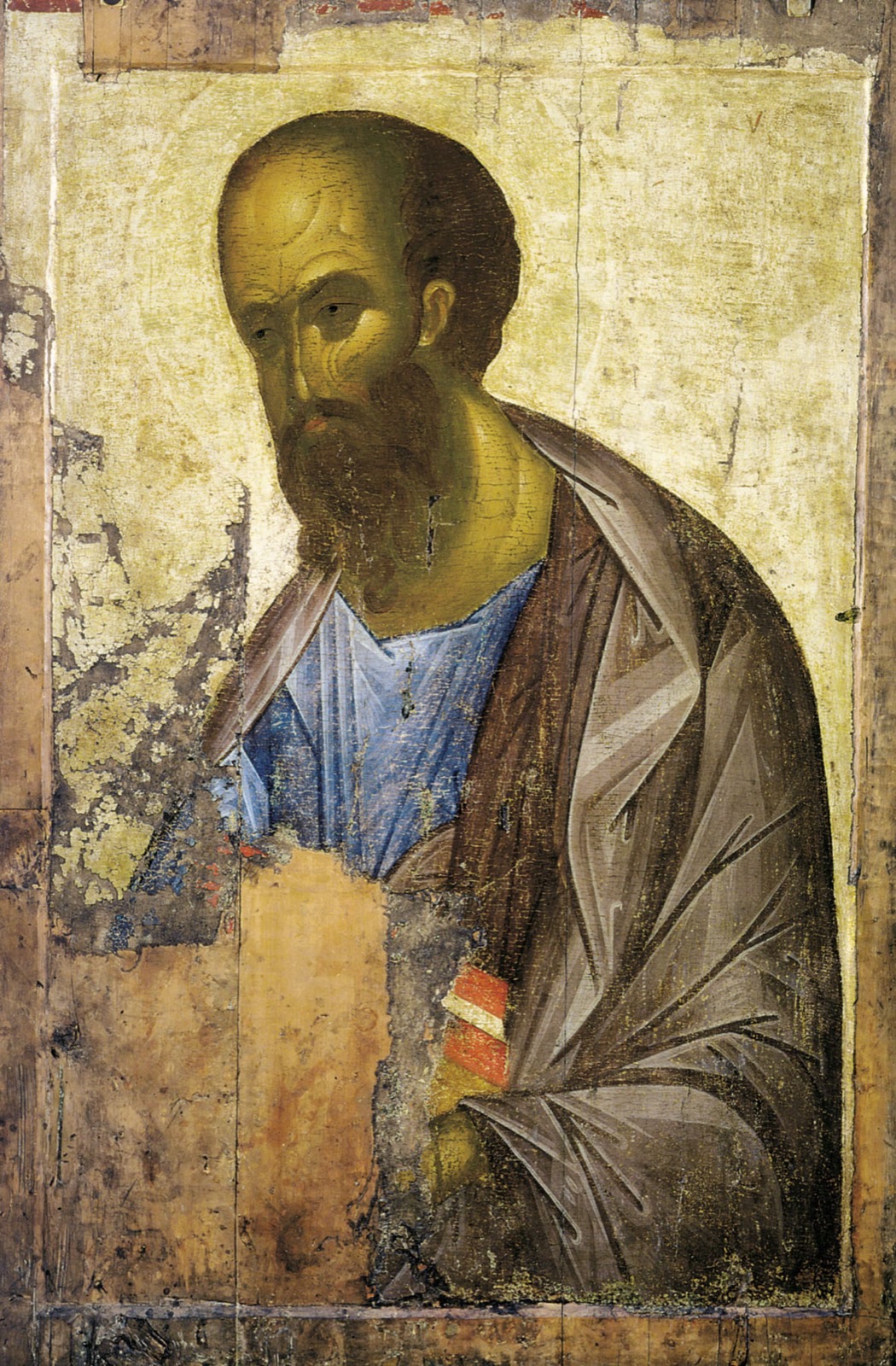
Saul, better known as Paul, is one of the central figures of Christianity — an apostle who played a decisive part in the spread of the Christian faith in the first century.
He was born in Tarsus, in present-day Turkey, into a Jewish family, and held Roman citizenship. Educated in the Jewish tradition, he became a Pharisee.
At first he was an enemy of Christianity and an active persecutor of the followers of Jesus, taking part in arrests and even in executions — among them the martyrdom of Stephen, the first Christian martyr. Then came the great reversal: on the road to Damascus the risen Jesus appeared to him. The event, described in the Acts of the Apostles (Acts 9:1–19), was the turning point of his life.
After his conversion Saul became known as Paul and threw himself into preaching. He made several missionary journeys through the regions of the Roman Empire, across Asia Minor and into Europe, founding Christian communities as he went. He is also the author of many of the epistles that entered the New Testament — letters addressed to particular communities and individuals, setting out his teaching on faith, morality, and the life of the Church.
According to tradition, Paul was arrested and probably executed in Rome during the persecution of Christians under the emperor Nero. He is counted among the most influential apostles and theologians in Christian history; his teaching and his letters have profoundly shaped Christian theology and practice.