A people forgets faster than it remembers. A few generations pass, and the descendants of the free patriarchs — the men who trusted the voice and walked out into the unknown — are slaves in Egypt. The one who comes to free them is one of their own: Moses, raised as a prince at Pharaoh's court, schooled in all the wisdom of Egypt, yet knowing that he is a Hebrew. His first impulse ends in collapse: he kills an overseer who is beating a slave and expects the people to turn toward their liberator — but the next morning he hears from his own kin, "Will you kill us too, as you killed the Egyptian?" The people love him while he defends them, and hate him the moment he begins to lead.
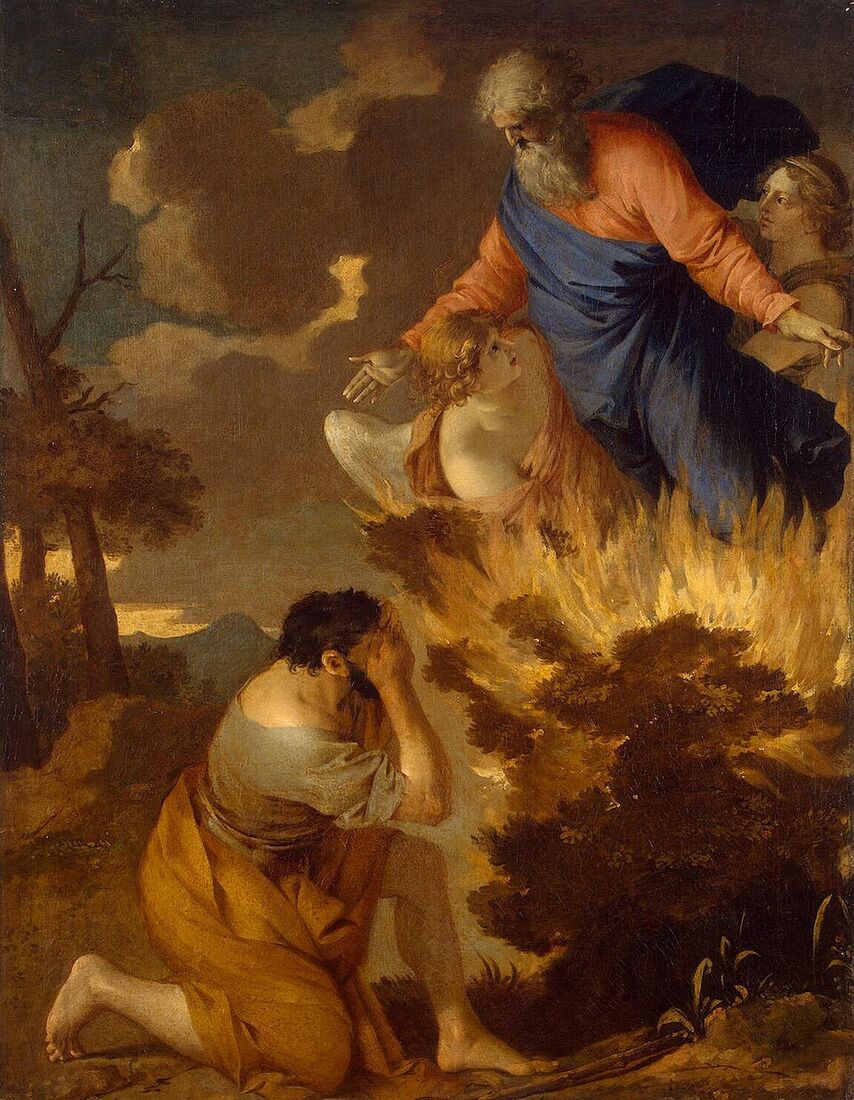
Moses flees into the wilderness — and only as an eighty-year-old man, at the bush that burns and is not consumed, does he hear the voice, the same voice that called Abraham: "Go; My people groans, and there is none to defend it." He resists — "I am slow of speech, they will kill me, they will not listen to me" — but he goes; and this fearsome obedience is reckoned to him as righteousness.
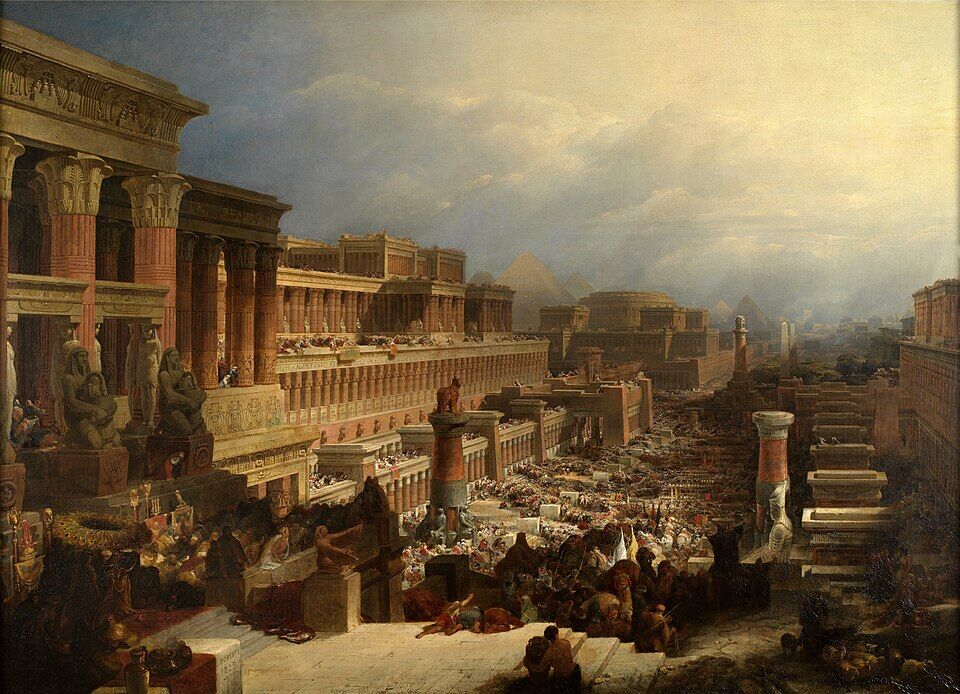
And then comes the most unexpected thing: the departure from slavery turns out to be no triumph of freedom. Egypt has scarcely closed behind them when the people begin to murmur: "Were there no graves in Egypt, that you have brought us out to die in the wilderness? Better to have served the Egyptians — there were pots full of meat."
Here is the heart of this station, the paradox that torments man forever: they are afraid to become free. The slave is fed, the slave is at rest, the master does the slave's thinking for him; the free man stands alone before the unknown, and every step he takes is a risk. The people do not want freedom: they want rest, sleep, a full belly — even at the price of chains. Fear of freedom here is, at bottom, mistrust of God: what if there is nothing ahead, what if we all fall down in the sands?
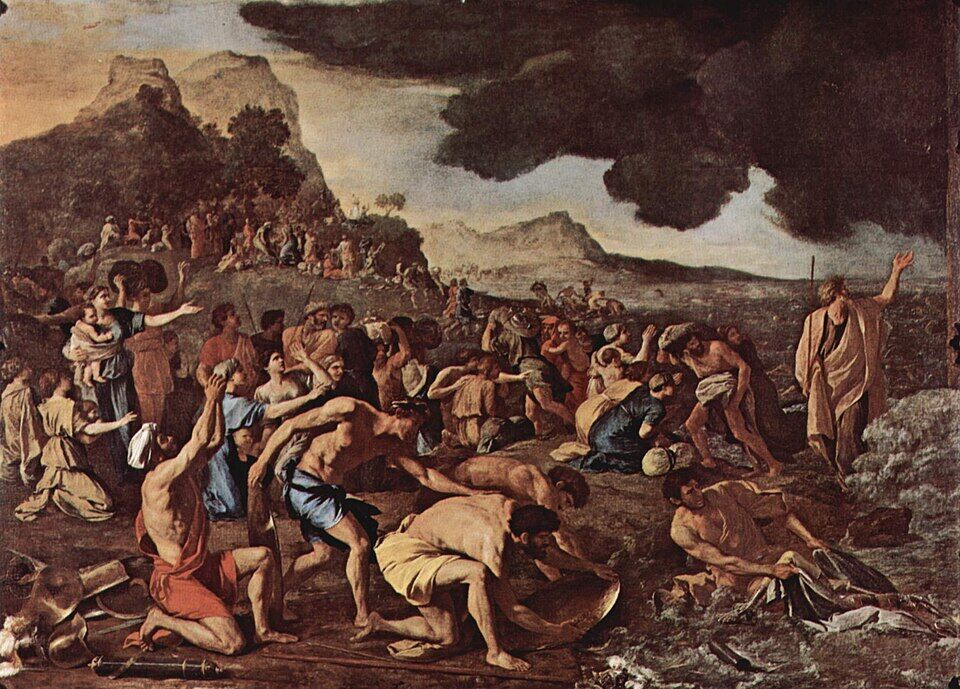
And yet God leads them with a strong hand. The Red Sea parts — this is death for the old life: the waters close behind them, and slavery drowns in them forever; onto the far shore steps no longer a crowd of bondsmen but a people with no way back. Freedom is given to them as a gift they never asked for and that they fear — and now they must learn, in torment, how to bear it. To this — and to the question of what rules make freedom bearable — Sinai will be devoted. Of this, the next station.
The spine of it all — the arc. The same law through the four voices: philosophy · literature · painting · music.
all 21 stations · Russian version