12th century
The 12th century: three religions thinking about the same thing
What happened — and why
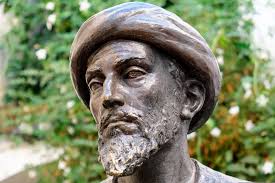
Maimonides: Judaism meets Aristotle
"The Guide for the Perplexed" — Maimonides reconciles Jewish revelation with Greek philosophy. Written in Arabic for Jews living in the Islamic world.
The philosophical cause
Maimonides — An educated Jew read both the Torah and Aristotle, and did not know how to reconcile them. Maimonides answers: it can be done.
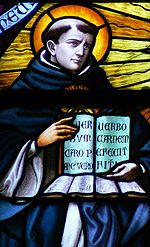
His method: an allegorical reading of Scripture. Thomas Aquinas read Maimonides — a Jewish philosopher shaped Christian scholasticism.
Ibn Arabi: God in all things
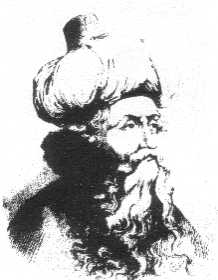
Ibn Arabi formulates "wahdat al-wujud" — the unity of being. God is not above the world but pervades everything that exists. Sufi mysticism reaches its philosophical summit.
The philosophical cause
Ibn Arabi — Sufism had developed for 300 years. Ibn Arabi gives it a metaphysical foundation.
His "Meccan Revelations" is an encyclopedia of Islamic mysticism. Its influence runs from Rumi to the Sufi orders of today.
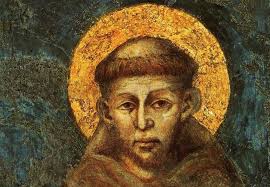
Francis of Assisi: poverty as freedom
The son of a wealthy merchant gives everything away and goes to live among the lepers. His "Canticle of the Sun" is the first literary work written in Italian.
The philosophical cause
Francis of Assisi — The official church was rich and politically mighty. Francis answers: Christ was poor. Either poverty, or Christ.
The Franciscan order gives Europe Bonaventure, Duns Scotus, and Ockham. And an alternative spirituality: personal experience against the institution.