11th century
The 11th century: the Great Schism. Philosophy returns to the West
What happened — and why
The Great Schism of 1054
Rome and Constantinople excommunicate each other. Formally it was a dispute over the "filioque" (whether the Spirit proceeds from the Father and the Son). In reality it was a political and cultural split.
The philosophical cause
The two halves of a once-unified empire had traveled different paths for 600 years. It was inevitable.
Orthodoxy and Catholicism develop separately. Different theologies, different relationships with the state, different cultures.
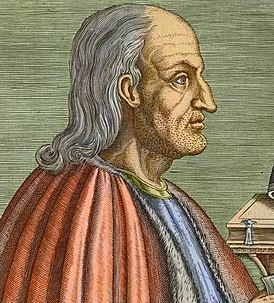
Anselm: faith seeking understanding
"I believe so that I may understand" — Anselm of Canterbury formulates the principle of scholasticism. His ontological proof of God: a perfect being must exist, otherwise it would not be perfect.
The philosophical cause
Anselm — The West begins to read Aristotle (through Arabic translations). A question arises: how do faith and reason relate?
His method, rigorous logic applied to theology, launches scholasticism. Thomas Aquinas would bring it to its summit in the 13th century.
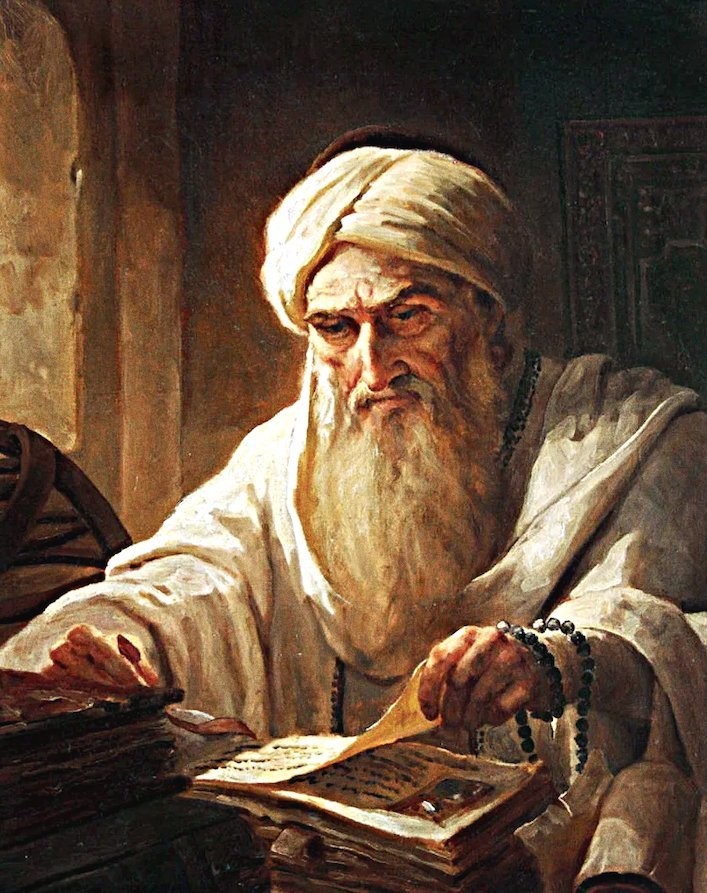
Omar Khayyam and Al-Ghazali: doubt and faith
Khayyam writes his rubaiyat on wine, death, and the unknowability of the world. Al-Ghazali writes "The Incoherence of the Philosophers" and finds refuge in the mysticism of Sufism.
The philosophical cause
Al-Ghazali — The Islamic world had reached the peak of rationalism. Al-Ghazali senses that reason brings no peace. Khayyam embraces the paradox: since God is unknowable, let us live now.
After Al-Ghazali, rationalist philosophy in Islam weakens. Sufism, its mystical current, becomes the main spiritual stream.