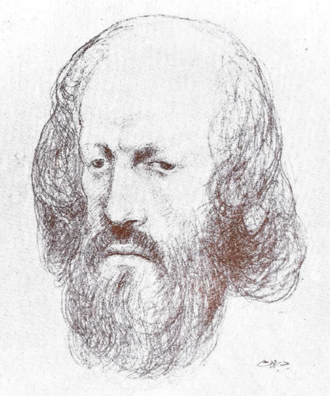
Al-Ghazali suffered a spiritual crisis at the height of his career. A professor at a Baghdad madrasa, a recognized theologian, the author of works on fiqh and kalam — and suddenly he could not speak. He literally lost his voice for several months. He abandoned everything and set out as a wanderer.
He was born around 1058 in Tus, in Iran, and studied under the foremost theologians of the age. At thirty-three he held a professorship — an exceptional position by the standards of the time. For ten years he taught, wrote, and was renowned.
The crisis began in 1095. He understood that he knew a great deal but did not know God — that knowledge about faith is not the same thing as faith. There followed Sufi wanderings, eleven years of silence and meditation; then he returned to teaching.
The Revival of the Religious Sciences is his principal work: forty books on how a Muslim is to live from within, not merely by keeping the outward prescriptions. The Incoherence of the Philosophers attacked Greek philosophy, which al-Ghazali believed led to unbelief — and drew from Averroes the rejoinder The Incoherence of the Incoherence.
He died in 1111. His influence on Islamic thought is comparable to Augustine's on Christian thought.