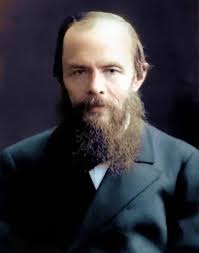
Fyodor Dostoevsky once stood before a firing squad. The sentence had been read out, the shroud pulled over him, the final seconds counted off — and then came the order of pardon. It was theater, a mock execution staged by Nicholas I as a warning. Dostoevsky spent those few minutes on the scaffold believing he was about to die. He came down a changed man.
He was born in Moscow in 1821, the son of a hospital doctor. He trained as a military engineer and threw the career over for literature. Belinsky praised Poor Folk, and a star had risen.
Then came hard labor: eight years for his part in the Petrashevsky circle. Siberia, work alongside murderers, epilepsy. Notes from the House of the Dead is the report from inside. Crime and Punishment asks whether one may kill for the sake of an idea; The Brothers Karamazov, whether God exists — and what follows if He does not.
He played roulette and lost everything. He dictated his novels to a stenographer, Anna Snitkina, who became his second wife. He died in 1881. Thousands followed his coffin.