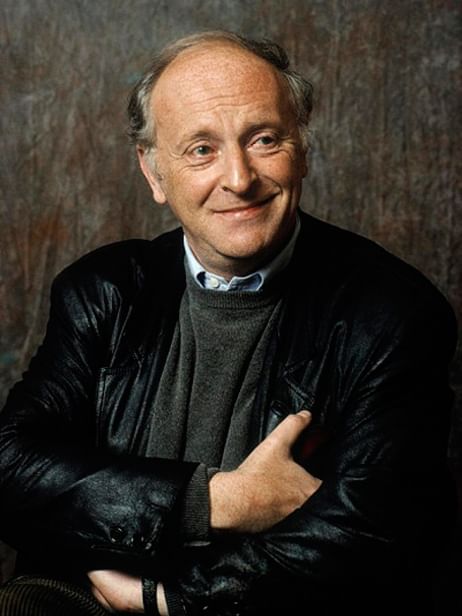
Joseph Brodsky was convicted by a Soviet court of "parasitism" — since he was not officially registered as a poet, in the state's eyes he did not work. At the trial the judge asked: "Who authorized you to call yourself a poet?" He answered: "I thought... it came from God." He got five years in the north. He became a Nobel laureate.
He was born in Leningrad in 1940. He left school at fifteen and worked as a boiler stoker, a geologist, a sailor — and read voraciously: Mandelstam, Akhmatova, Tsvetaeva, the English metaphysical poets. Akhmatova became his spiritual mother; he became her favorite pupil.
In 1972 he was expelled from the USSR — the choice offered was prison or emigration. He left. He taught at American universities, wrote in Russian and in English, and became Poet Laureate of the United States. In 1987 came the Nobel Prize. In his lecture he said: "If art teaches anything, it is the privateness of the human condition."
He died in New York in 1996 of a heart attack, short of fifty-six. He is buried in Venice, the city he loved more than any other place on earth.