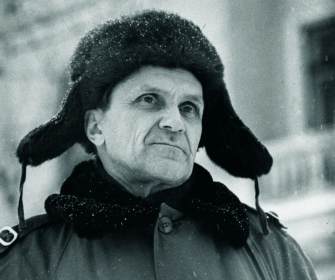
Varlam Shalamov spent seventeen years in the camps. The Kolyma Tales he wrote afterward, over twenty years. They are neither memoir nor indictment: they are prose in which every word weighs like a stone.
He was born in Vologda in 1907, the son of a priest. He came to Moscow, studied law, and joined Trotskyist circles. First arrest: 1929, three years. Second: 1937, five years on the Kolyma. Third: 1943, ten more years — for calling Bunin a "Russian classic."
In the Kolyma Tales there is no heroism, no will to live held up as a virtue. There are people reduced to the minimum. Hunger, cold, fear, arbitrary death. Shalamov held that the camp experience does not ennoble — it destroys. This put him at odds with Solzhenitsyn's Gulag Archipelago, and the two men fell out.
He died in 1982 in a home for invalids, blind and nearly deaf.