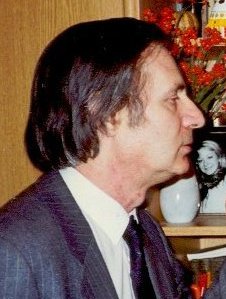
Alfred Schnittke wrote music as though several centuries could live at once inside a single composition. Baroque and jazz, chorale and kitsch: polystylism — the term was his own — was not eclecticism but the reflection of a fractured world.
He was born in 1934 in Engels, into a German family, and studied at the Moscow Conservatory. He wrote for Soviet cinema — more than a hundred films. Officially his music went almost unperformed: too difficult, too strange.
The 1980s brought international recognition. The cello concerto, the symphonies, the quartets, the Requiem — all of it was played in the West while, in the USSR, it waited its turn.
In 1985 he suffered his first stroke. Then another. He went on composing, dictating the notes. He moved to Hamburg. In 1994 came a further stroke and the loss of speech; he composed by gesture. He died in 1998. His music is like the gaze of a man who remembers too much.