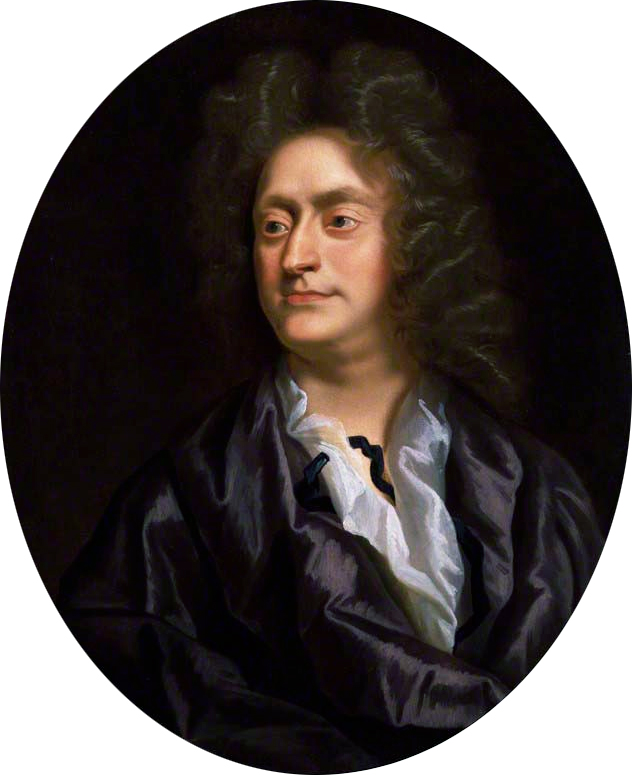
Henry Purcell (1659–1695) was the greatest English composer of the Baroque and, in effect, the last voice of a self-sufficient English musical tradition before the arrival of Handel. The son of a court singer, he sang from boyhood in the Chapel Royal, then became organist of Westminster Abbey and official composer to the courts of Charles II, James II, and William III. He lived only thirty-six years, yet left a legacy equal in scope and variety to a long career.
His masterpiece is the chamber opera Dido and Aeneas (c. 1683–1689), written for a girls' boarding school. It holds less than an hour of music, but the final aria, "When I am laid in earth" — the Lament — unfolding over a fixed descending bass, is counted among the most piercing pages in all of Baroque opera. Nearly as famous are the semi-operas King Arthur, The Fairy-Queen, The Indian Queen, and Dioclesian — hybrids of drama and musical interlude in which the English poetic tradition met Italian melody.
Purcell is equally strong in sacred music (the anthem "Hear my prayer, O Lord," the Te Deum, the Funeral Sentences for the funeral of Queen Mary), in secular chamber song ("Music for a while," "If music be the food of love"), in the instrumental fantasias for viols, and in the coronation odes. His way of drawing melody from living English speech became a touchstone, and an object of admiration for Benjamin Britten, who rediscovered him in the twentieth century.
To listen to Purcell is to hear the most exact meeting of word and sound in the English Baroque.