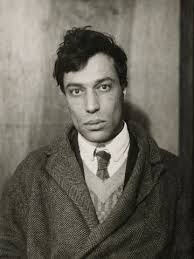
Boris Pasternak lived two lives in one: the first as a poet who was exalted, the second as a man they tried to destroy. He was born in Moscow in 1890, into the family of a painter and a pianist, a household where Tolstoy came as a guest and art was the air one breathed. He gave up music for poetry, poetry for prose, prose for translation, yet it was all one and the same search: how to render a moment so that it would not die.
In the 1920s his poems were known by heart. In the 1930s he translated Shakespeare and Goethe — the only way to survive without betraying himself. In 1956 he finished Doctor Zhivago, a novel about how revolution grinds down the lives of people who wanted only to love and to write poems. The manuscript was smuggled to the West; in 1958 Pasternak was awarded the Nobel Prize.
The Soviet state answered with persecution. The Writers' Union expelled him. The newspapers demanded that this "literary Judas" be deported. Pasternak renounced the prize — so as not to be banished from the country that held the graves of those he loved. Two years later he died of lung cancer. Hundreds came to his funeral at Peredelkino — unannounced, by word of mouth alone.