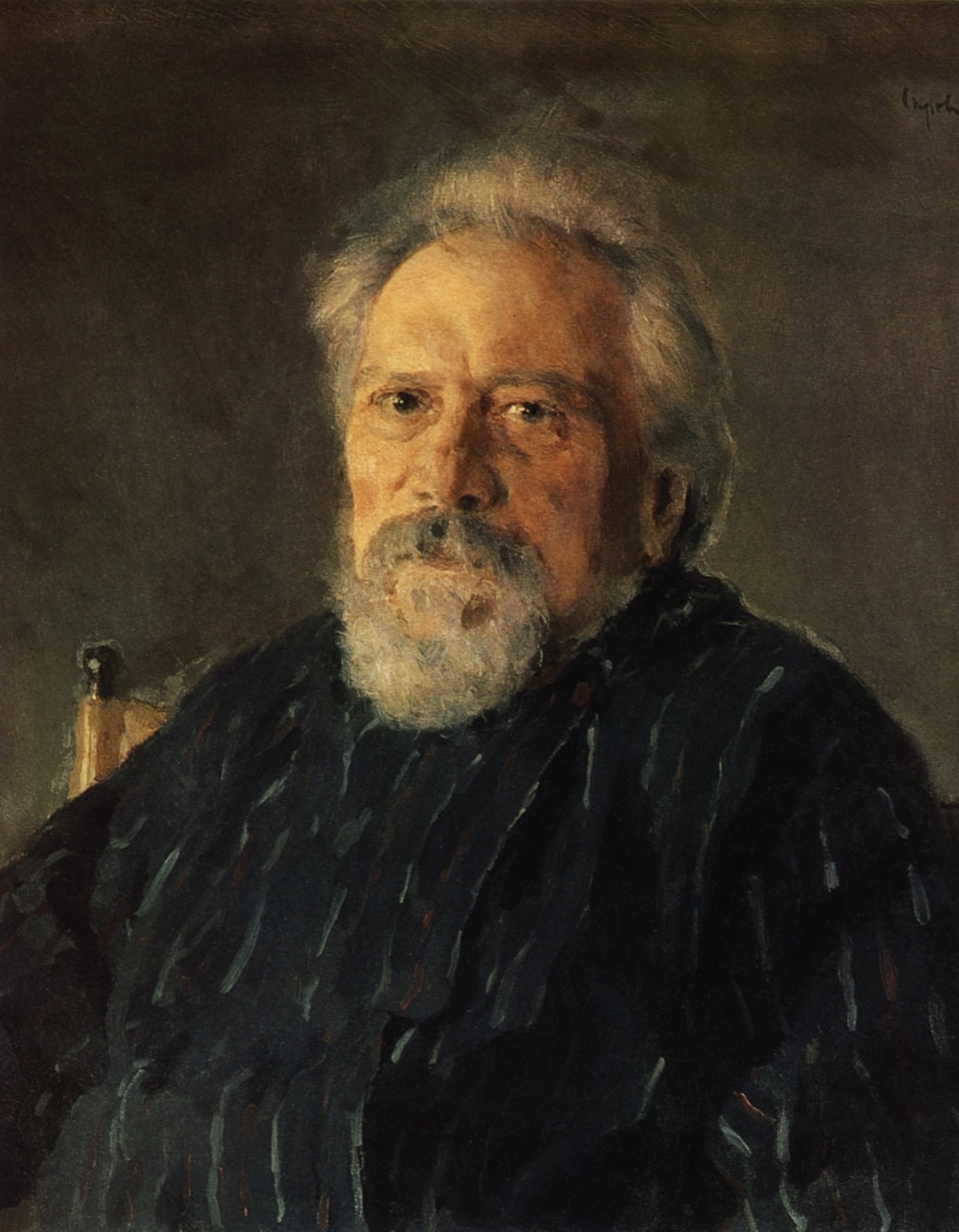
The most Russian of Russian writers, Lev Tolstoy called him — not Tolstoy himself, with his historical canvases, nor Dostoevsky, with his metaphysical abysses, but Leskov: Leskov of the storytellers, of “Levsha,” of “The Enchanted Wanderer,” of a language that sounds like living speech rather than literature.
He was born in 1831 in Oryol province. He served on the commercial side and travelled widely across Russia — seeing the country not from a gentry estate but from provincial inns and post roads. This gave him a command of the people's language that none of his contemporaries possessed.
“Lady Macbeth of Mtsensk” is a story of passion and crime, hard and exact. “The Cathedral Clergy” portrays the provincial priesthood. “Levsha” tells of the Tula craftsman who shod the flea the English had made — and of how Russia does not know how to cherish its own masters.
He died in 1895. In his lifetime he was valued less than he deserved — too intricate, too unpolitical. It later turned out that his prose has outlived much that was more fashionable.