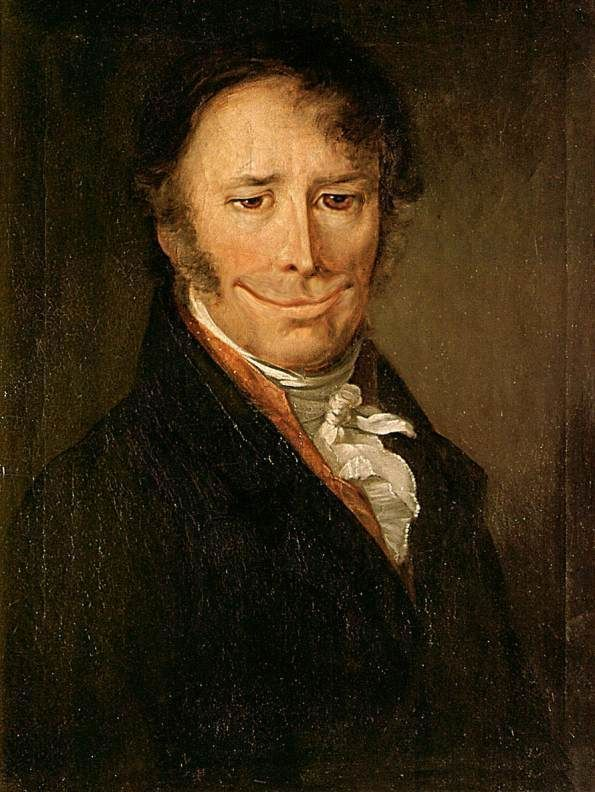
With "Poor Liza" something unprecedented entered Russian letters: the heroine was a simple peasant girl, and the measure of her worth was not her social rank but her capacity to love and to suffer. The famous line "even peasant women know how to love" sounded almost audacious. Karamzin's sentimentalism taught the reader to look closely at feeling, at the shades of inner life — and opened up for prose a territory that the Russian novel would later cultivate so widely.
No less important was the quiet revolution in the language itself. Karamzin drew literary speech away from heavy Church Slavonic archaism and cumbersome constructions, bringing it closer to the way an educated person spoke in a drawing room. He introduced new words and turns of phrase, striving for ease and naturalness of expression. From this reform grew, in large part, the supple, living Russian language in which Pushkin would soon speak.
The culmination of his life was the "History of the Russian State" — a work that became an event far beyond the scholarly circle. Karamzin wrote history not as a dry chronicle but as a great narrative full of destinies, dramas and characters, accessible to the ordinary reader. Contemporaries said that he had, as it were, revealed to his countrymen their own past: many for the first time felt ancient Rus as something close and their own.
Thus a single man combined three roles — writer, reformer of the language, and historian — and in each of them moved Russian culture from where it had stood. After Karamzin, literature grew more attentive to the heart, speech grew freer, and history became a shared possession rather than the privilege of a few.