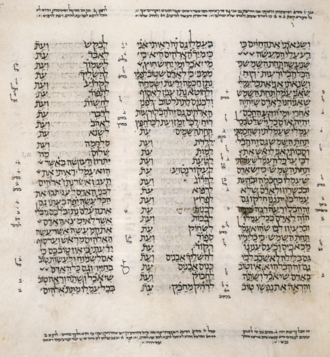
Ecclesiastes — the Book of Ecclesiastes, or the Preacher — is one of the books of the Old Testament, written probably in the third or fourth century BC. Its author hides behind the name "Kohelet": the gatherer of the people, the preacher.
The central thesis: "Vanity of vanities, all is vanity." The Hebrew word hevel — smoke, vapor, a breath — carries the sense that everything human is illusory, meaningless, fleeting. Wisdom, wealth, labor, pleasure — all of it passes and leaves no trace.
"What has been will be again; what has been done will be done again; there is nothing new under the sun" — the first clear statement in world literature of the idea that history moves in cycles.
The astonishing thing about the book is that its pessimism never tips into nihilism. Kohelet does not preach despair; he preaches the present: "there is nothing better for a man under the sun than to eat, and to drink, and to be merry." The acceptance of finitude as the condition of a genuine life.
The book entered the canon with difficulty — its depressive tone troubled the rabbis. But it stayed, because it is too honest.