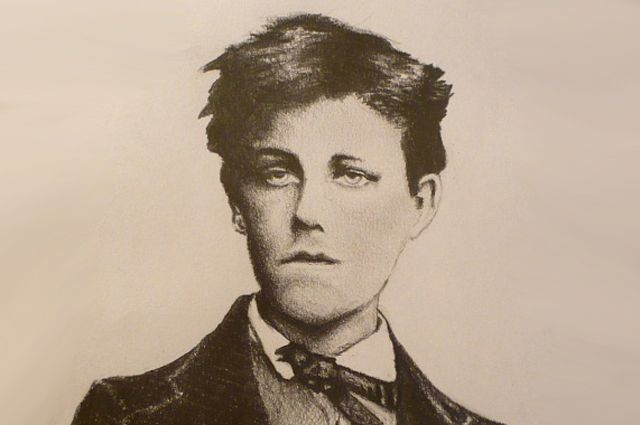
Arthur Rimbaud wrote everything that matters in his work before the age of twenty — then abandoned poetry for good and went off to trade in Africa.
He was born in 1854 in Charleville, a brilliant student loathed by his provincial town. At sixteen he wrote "The Drunken Boat," one of the most vertiginous poems of the nineteenth century. He sent it to Verlaine; Verlaine summoned him to Paris.
There followed two years of stormy romance and creation. "Illuminations," "A Season in Hell" — Rimbaud was inventing a new language, wrecking syntax, pursuing a "systematic derangement of all the senses" as the road to vision. In 1873 Verlaine shot him in a Brussels hotel. The wound was slight; the scandal, enormous. Rimbaud wrote "A Season in Hell" — and fell silent.
At twenty-one he left. Cyprus, Aden, Harar. He traded in coffee, in guns, perhaps in slaves — historians still argue. He wrote almost no letters home. In 1891 he came back to die of bone cancer. He was thirty-seven. Poetry, he said, was "a foolish business."