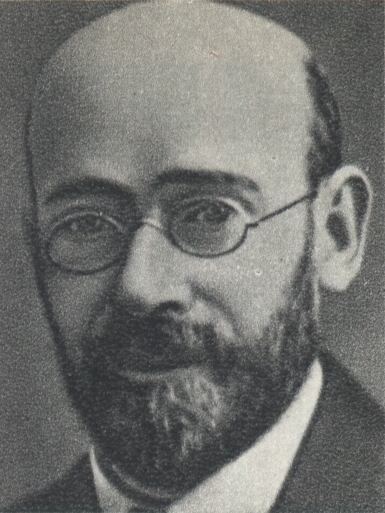
Janusz Korczak is one of those rare figures who leave an indelible mark on the history of pedagogy and of thought. Born in Poland, he became one of the best-known educators of his age, and his legacy continues to instruct and inspire. He lived through an era of great upheaval, yet his fidelity to his ideals never wavered.
Korczak wrote a great many books and articles on pedagogy, psychology, and philosophy, but his chief works are How to Love a Child and The Rules of Life. In them he set out his views on raising children, insisting on respect for and understanding of each child's individuality. Every child, he believed, has a right to a dignified and happy childhood, and the educator's task is to help the child realize his potential and become a full member of society.
At the heart of his thinking lay the idea of "democratic upbringing": children have the right to take part in decisions and to govern themselves. He stressed, too, the place of emotional intelligence and empathy in relations between children and adults. The educator, in Korczak's view, must be not only a teacher but a friend and mentor, helping the child find his own way in life.
His life was full of hardship and paradox. During the Second World War he directed an orphanage in Warsaw, raising children from poor families. When the deportations of Jews to the concentration camps began, Korczak was offered a chance to save himself. He refused, choosing to stay with his children to the end. Together with two hundred of them he walked to the trains bound for Treblinka — an unshakable act of loyalty to his ideals and to his charges, and his final statement that raising children is not merely a duty but the highest form of love and devotion.
Today Korczak's legacy matters more than ever. His ideas about democratic upbringing, emotional intelligence, and empathy can help us build a more harmonious and just society. He showed that pedagogy is not only a profession but a calling, demanding the utmost devotion and responsibility. His example inspires teachers, educators, and parents the world over, reminding them that the raising of children is the most important work we can do.