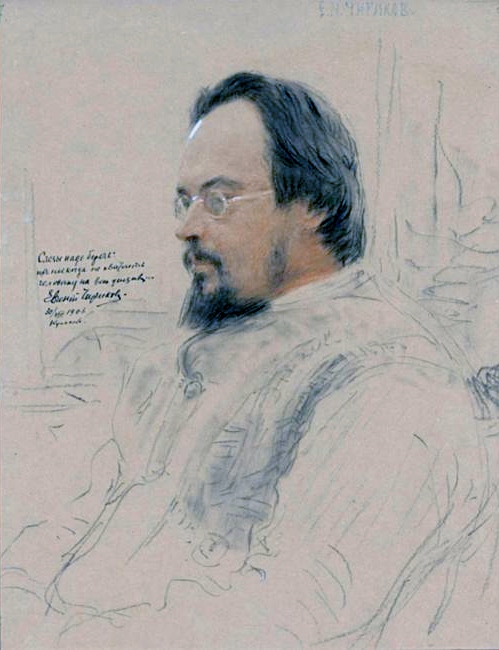
Yevgeny Chirikov's name was well known before the revolution; once it broke out, he became a fierce opponent of the new ideas. His uncompromising stand led him into the White movement and then, in 1920, into emigration — first to Sofia, then to Prague. Lenin, though he respected Chirikov's talent, saw him as an obstacle and even asked him to leave.
In exile Chirikov wrote The Beast from the Abyss, published in 1926 — a novel of the Civil War and of two brothers who find themselves on opposite sides of the front. What makes it remarkable is that the author vindicates neither side of the conflict. He describes, instead, what happens to people once they begin to kill for an idea: how a beast no one summoned wakes, and how it changes both individuals and society.
The book matters because it offers an honest, unprejudiced view of the Civil War, written from inside events by an eyewitness. Chirikov shows how ideas and politics can destroy people and societies, and how the beast that wakes within a man can lead to terrible ends. The novel also raises questions about human nature — about what makes a human being human — and about the place of ideology in our lives.
Its governing images are the beast, standing for the cruelty and madness that can awaken in anyone, and fratricide, the sundering of family and social bonds. Through them the novel conveys the tragedy and senselessness of civil war and of everything it leaves behind.
In Soviet Russia the book was little known; only in the 2000s did it begin to be published and discussed. Today The Beast from the Abyss is counted among the most truthful books about the Civil War, and its stature only grows with time. The reader who opens it will find not merely a historical novel but a searching study of human nature — one that turns the mind back on itself and on the world around it.