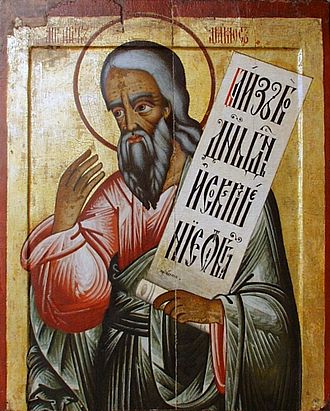
Amos lived in the eighth century BC, under King Jeroboam II, when the Northern Kingdom of Israel was enjoying an age of prosperity. Trade was brisk, the temples were crowded, the sacrifices duly offered. Behind the facade, the rich were swallowing the lands of ruined peasants, judges took bribes, and the poor were sold into slavery for their debts.
Amos was a shepherd and a dresser of sycamore figs from Tekoa, a small town in Judah — no priest, no court prophet. He came to Bethel, the chief religious center of Israel, and said what nobody wanted to hear.
"I hate, I despise your feast days... But let judgment run down as waters, and righteousness as a mighty stream" (Amos 5:21–24).
The idea was revolutionary: ritual purity without social justice is not merely useless — it is an insult. God has no need of sacrifices from the well-fed who are pious before the altar and brigands in the marketplace.
The priest Amaziah drove Amos out of Bethel: "Seer, go, flee away into the land of Judah." Israel did not listen. In 722 BC Assyria destroyed the Northern Kingdom, and the ten tribes were scattered forever.
Amos was the first of the prophets to set his words down in writing. His book became the pattern for the whole prophetic tradition — Isaiah, Jeremiah, Ezekiel. And the mechanism he described, spiritual decay behind a mask of prosperity, became the universal diagnosis of any civilization on the eve of collapse.