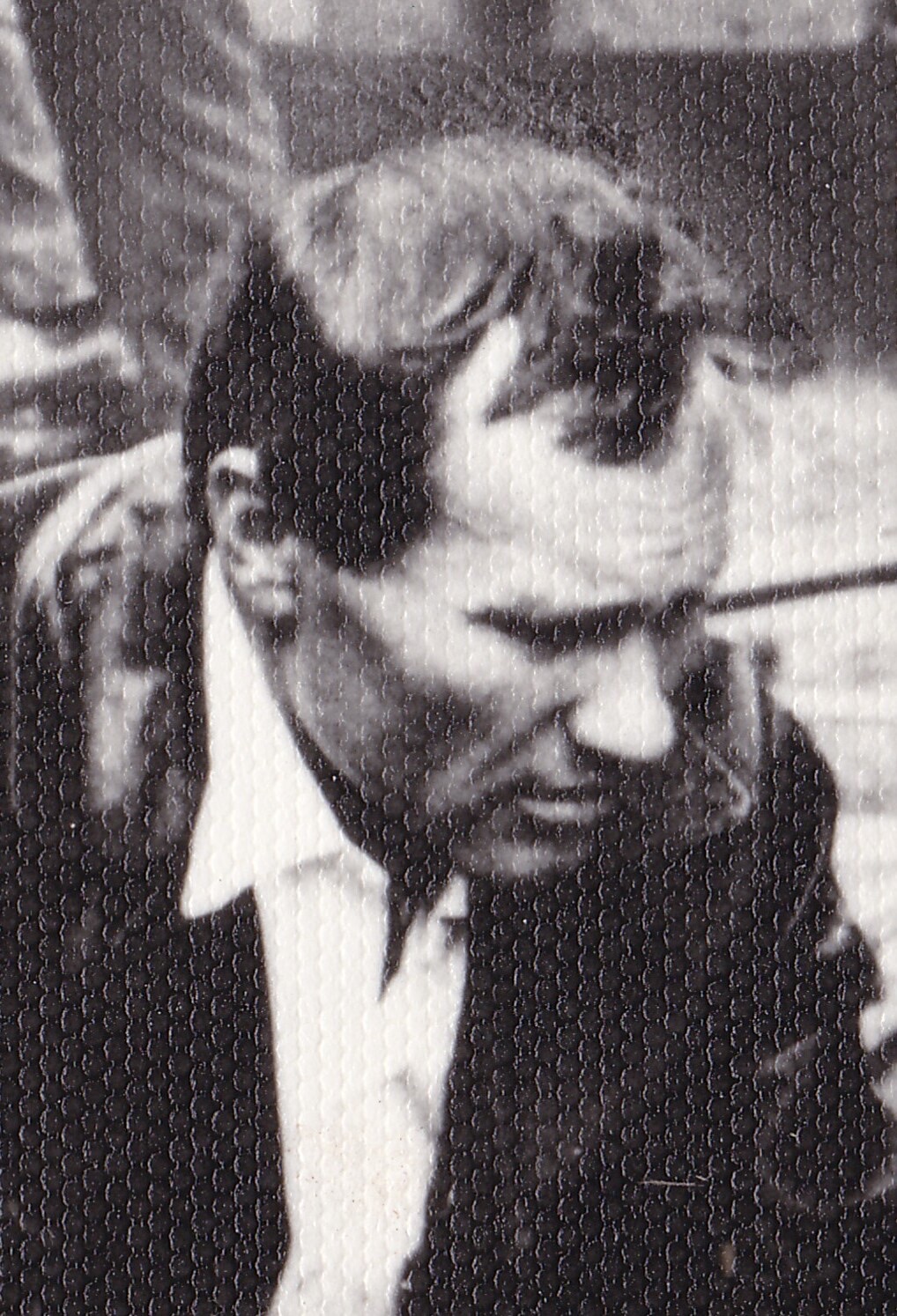
Vasily Shukshin is one of the most engaging and many-sided figures of Soviet literature and cinema. Born in the small village of Srostki in the Altai region, he grew up among plain country people who later became the heroes of his work. The age he lived in was a time of great change for the country, but Shukshin never wavered in his loyalty to his roots and to the traditions of the Russian heartland.
His writing includes such celebrated works as Kalina Krasnaya (The Red Snowball Tree), Country Folk and the collection Characters — stories of ordinary people he called his oddballs, people living in harmony with nature and holding to their traditions and values. Through his heroes Shukshin showed the beauty and richness of Russian culture, along with the pressing problems and hardships people faced in the Soviet years.
He was not only a gifted writer but a film director and actor as well. His films, among them Kalina Krasnaya and Pechki-Lavochki, became classics of Soviet cinema and remain widely loved to this day. The governing ideas of his work are simplicity, honesty and fidelity to one's roots. He showed that true beauty and wisdom are to be found in simple things and simple people, not in the big cities or in official culture.
His life had its share of difficulty and paradox. For all his great talent and popularity he remained a modest, unassuming man, never forgetting where he came from and always keeping his ties with the people of his village. Yet his work was not always understood or valued in his lifetime: much of it met with criticism and even censorship. He held to his ideals nonetheless, and went on creating.
Today Vasily Shukshin remains one of the essential and most relevant figures of Russian culture. His books and films continue to inspire and to teach, showing the beauty and richness of the Russian tradition and bearing witness to the strength and wisdom of ordinary people, who will always be the bedrock of that culture. He matters now because he reminds us that true culture and true beauty are found in simple things and simple people rather than in big cities and official propaganda, and his work stands as an example of how one can keep one's roots and traditions even through times of great change and challenge.