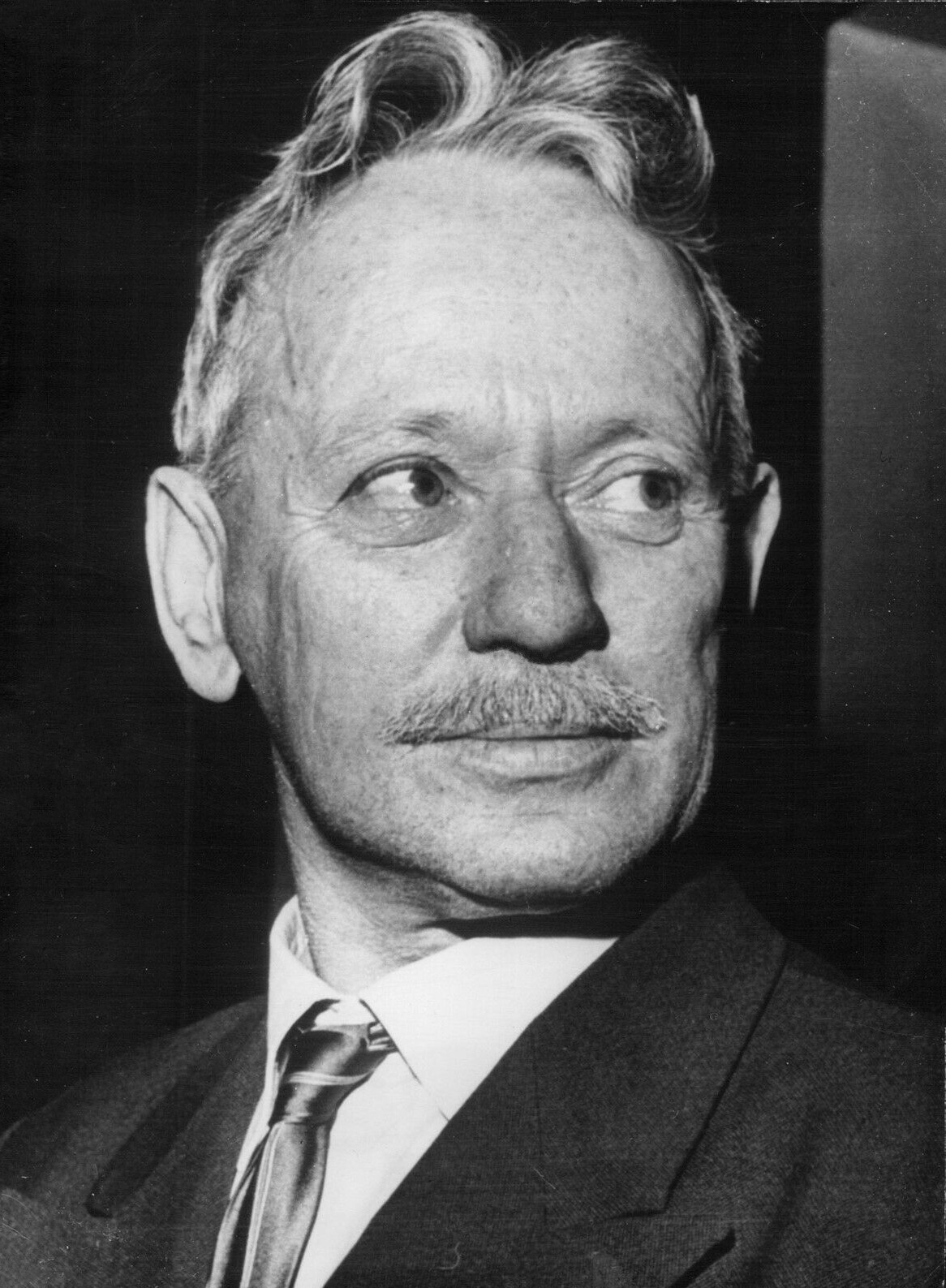
Mikhail Sholokhov is among the most vivid figures of Russian literature. Born in the stanitsa of Vyoshenskaya on the Don, he witnessed, and took part in, the turbulent events of the early twentieth century. The age he lived through was one of revolutions, wars and deep social change, and all of it inevitably left its mark on his work. He grew up in a Cossack family, and that inheritance became one of the foundations of his writing.
His principal works, the novels The Quiet Don and Virgin Soil Upturned, drew on his own impressions and on what he had observed of human destinies in the era of revolution and collectivisation. The Quiet Don tells the tragic story of the Cossacks and their struggle to preserve their identity amid shattering social upheavals; Virgin Soil Upturned carries the theme forward, showing the difficulties and contradictions of collectivisation and its effect on the lives of ordinary people. These novels do more than reflect historical events: they reach deep into the human soul, laying bare the complexity and richness of human experience.
Sholokhov's contribution to Russian literature and to world culture was considerable. His books became classics not only for their historical significance but for the depth of their psychological portraiture and the mastery of their descriptions of nature and of Cossack life. His work is charged with governing ideas: human endurance, the importance of tradition, the tragic consequences of historical upheaval. He was awarded the Nobel Prize in Literature, a further mark of his international recognition and of the significance of what he gave to letters.
His life was not without hardship. He lived through revolution and civil war, and in the Soviet years he faced ideological pressure and criticism. His creative path had its periods of silence and its frictions with power, which makes the man all the more interesting and many-sided. For all the paradoxes and difficulties of his biography, Sholokhov remained faithful to his art and to his people — testimony to his artistic honesty and his deep bond with his native land.
Sholokhov's work remains alive and consequential today. His books are still read and studied throughout the world, and their themes have lost none of their urgency. He helps us grasp the complexity of human history and the depth of human feeling. His legacy is not only a memory of the past but a bridge to the future, for his works go on inspiring new readers and new writers. In an age when global problems and social upheavals once again demand a deep understanding of human nature, his writing takes on a particular weight, reminding us of the place of sympathy, compassion and understanding in our common human journey.