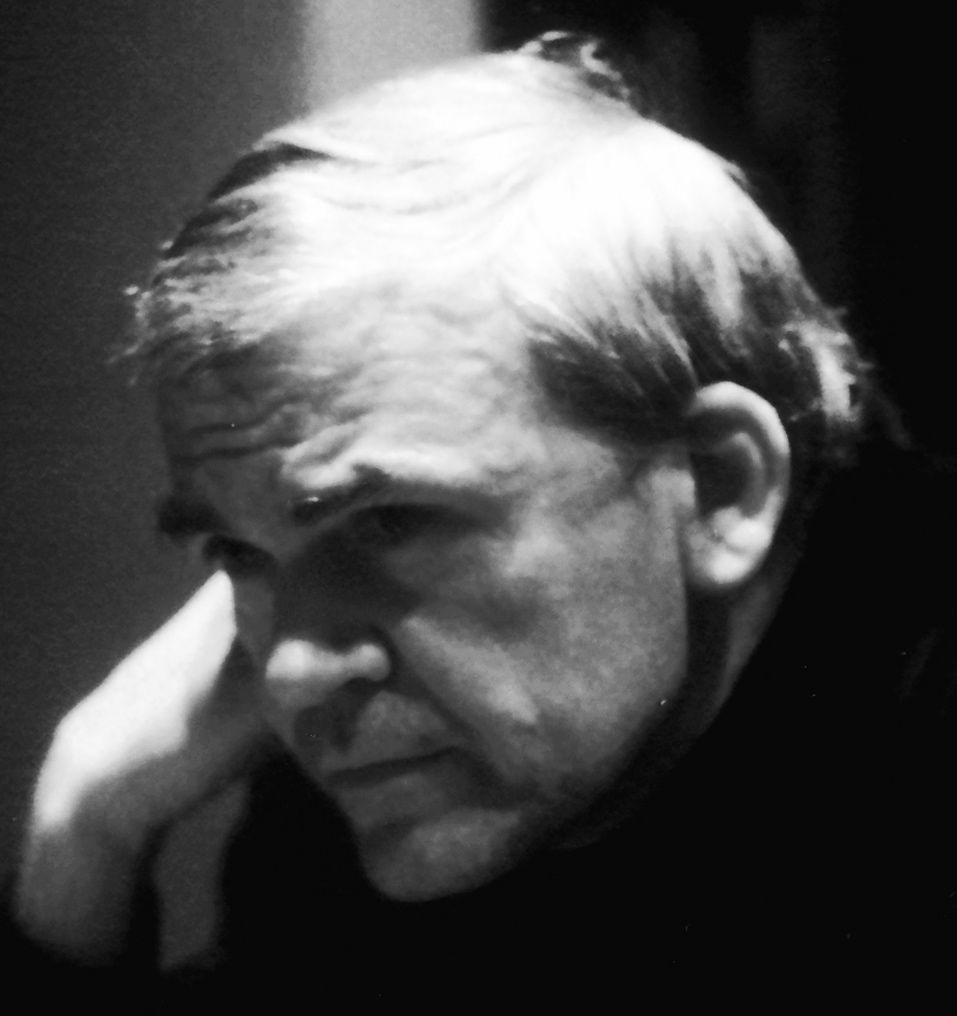
Milan Kundera is one of the most interesting and difficult writers of the twentieth century. Born in Czechoslovakia, he became a genuine cosmopolitan, writing in several languages and living in France. His books reflect the century's upheavals, and through them he examines human existence in all its complexity.
His major works are novels that have entered the canon of world literature. The Unbearable Lightness of Being, perhaps the most famous of them, follows the lives of four people in the Czechoslovakia of the 1960s. The Joke tells of a young man arrested and sent to a camp for a jest at the expense of the communist regime. Immortality takes up the idea of immortality itself and what it does to a human life. All of them show Kundera's singular style and his gift for probing tangled human emotions and relationships.
Kundera is not only a gifted novelist but a serious thinker. His books are dense with philosophical reflection on existence, freedom, and responsibility. He dwells on the paradoxes of human nature — the desire for freedom set against the need for order — and shows how such contradictions shape our lives. He is a master of language besides, his prose a singular fusion of the poetic and the discursive that makes his work at once beautiful and profound.
His life was not without hardship. After the Soviet invasion of 1968 he was forced to emigrate from Czechoslovakia and settle in France, an event that marked his life and work deeply; many of his books circle around emigration and exile. Through it all he went on writing, and on examining human existence in its full complexity. His paradoxical character — intellectual and artist, rationalist and romantic in one — makes him among the most compelling writers of his century.
Kundera matters today because his books keep asking the most pressing questions of human existence. His novels are not merely fine literature but a philosophy in their own right, one that forces us to think about our values and our ties to one another. In an age when so many questions look simple and settled, his work reminds us how complicated human nature is, and how much it asks of us in constant self-scrutiny and reflection. His legacy is not only the books themselves but their power to draw us toward a deeper understanding of ourselves and the world around us.