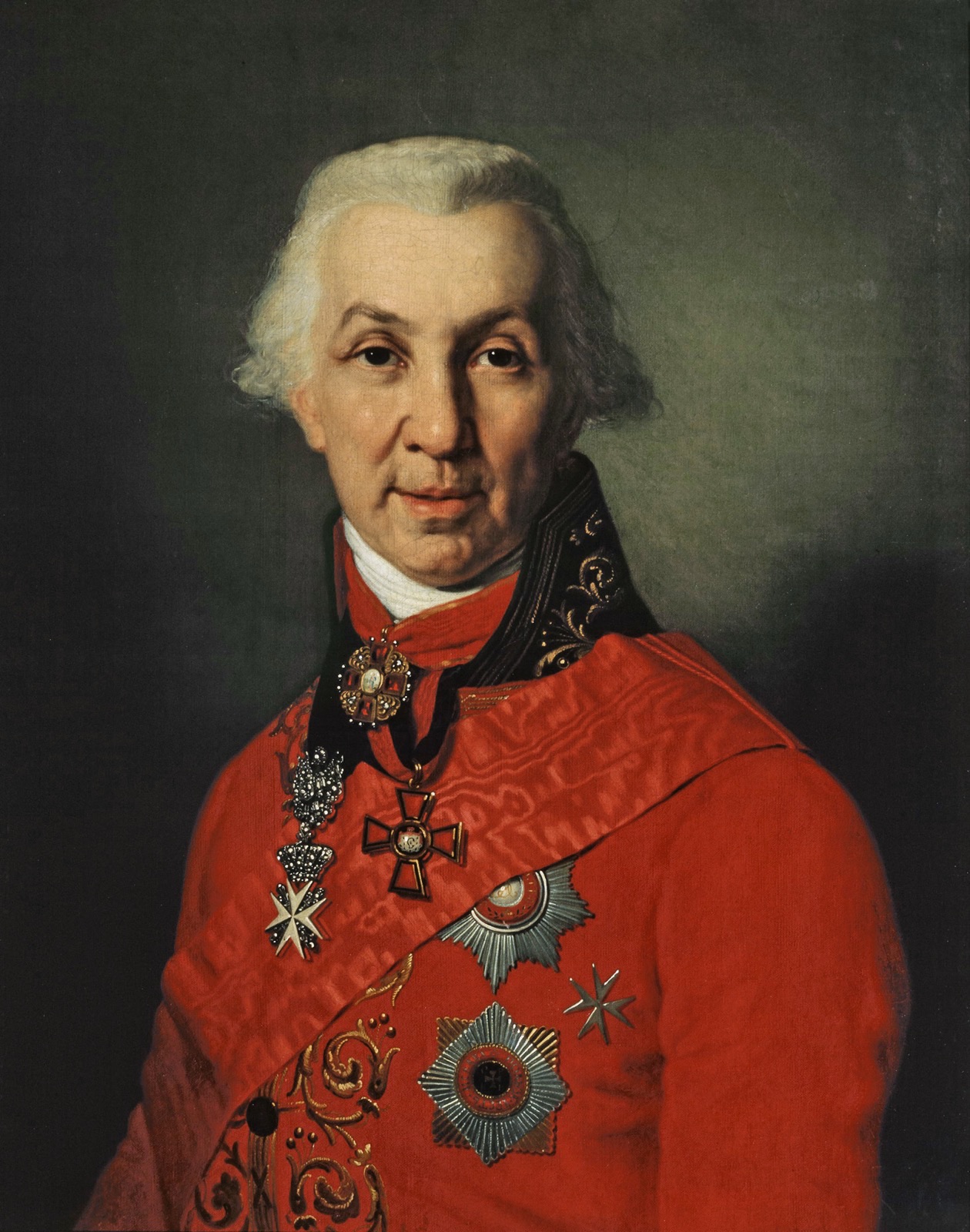
Gavrila Derzhavin is one of the most fascinating and influential figures of eighteenth-century Russian literature. Born into a noble family in Kazan, he showed a gift for language and poetry from an early age. The Age of Enlightenment in which he lived was a time of great change and intellectual ascent in Russia, and Derzhavin became one of its brightest representatives.
He is known above all for his odes — a genre he mastered and transfigured in Russian poetry. “Felitsa,” “God,” “The Waterfall”: these are works that literary scholars and readers study and admire to this day. In them Derzhavin set down his philosophical and moral reflections, creating a whole world of poetic images and ideas. His verse was bold and innovative; it stretched the boundaries of the Russian language and its style, opening new possibilities for the expression of thought and feeling.
Derzhavin was not only a gifted poet but a thinker who contributed substantially to Russian culture and letters. He was among the first to make Russian itself the foundation of poetic creation, refusing to imitate Western European models. His poetry became a symbol of Russian national self-awareness and pride, his name a synonym for the highest poetic art. He was also one of those who prepared the ground for the great Russian poets to come — such as Pushkin, who often called Derzhavin his forerunner and teacher.
His life was not without hardship or paradox. A man of strong will and firm conviction, he was nonetheless subject to the circumstances and moods of his age. Court life and politics drew him in, and at times brought him trouble and contradiction. Yet through every difficulty Derzhavin kept faith with his art and his ideals, continuing to write and to refine his poetry.
Derzhavin matters today because his poetry and his ideas still inspire and shape contemporary literature and culture. His work is not merely a historical monument but living, present-day verse, able to speak to a reader in any language and any age. Derzhavin is a symbol of Russian literature and culture, and his legacy goes on living and growing, inspiring new generations of writers, poets, and readers. His poetry is not only a reflection of the past but a summons to the future — a reminder of the power of the word and the worth of human creation.